We may earn revenue from the products available on this page and participate in affiliate programs. Learn more >
What is the difference between a katana and a samurai sword? Let me explain.
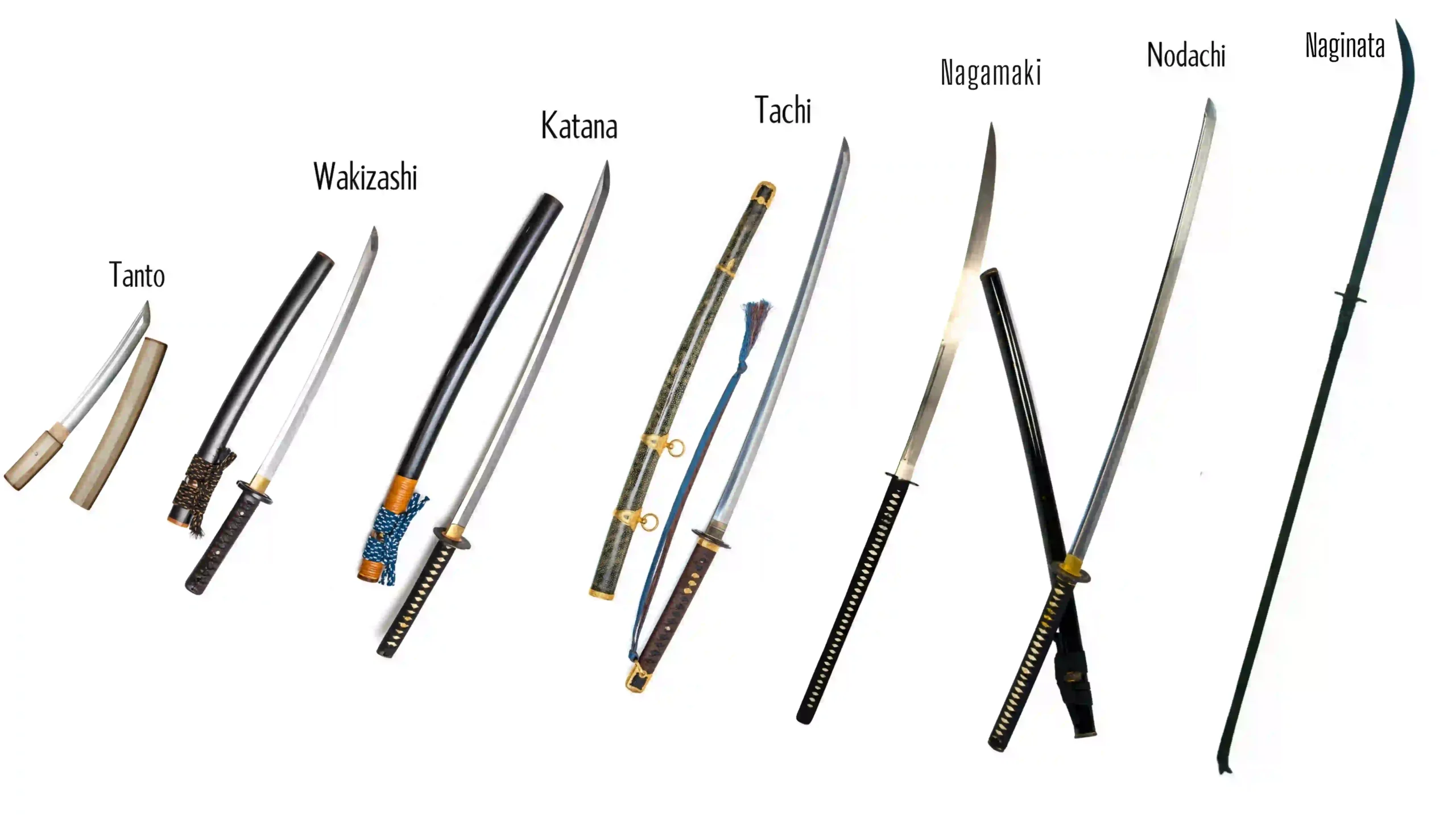
In short, we are talking about the same swords. The difference is: when you say katana, you are being more specific. When saying ‘samurai sword,’ it means it’s one of the types used by samurai without being specific. A samurai sword can be a katana, tachi, wakizashi, odachi/nodachi, or nagamaki.
Samurai Sword vs Katana: Similarities and Differences
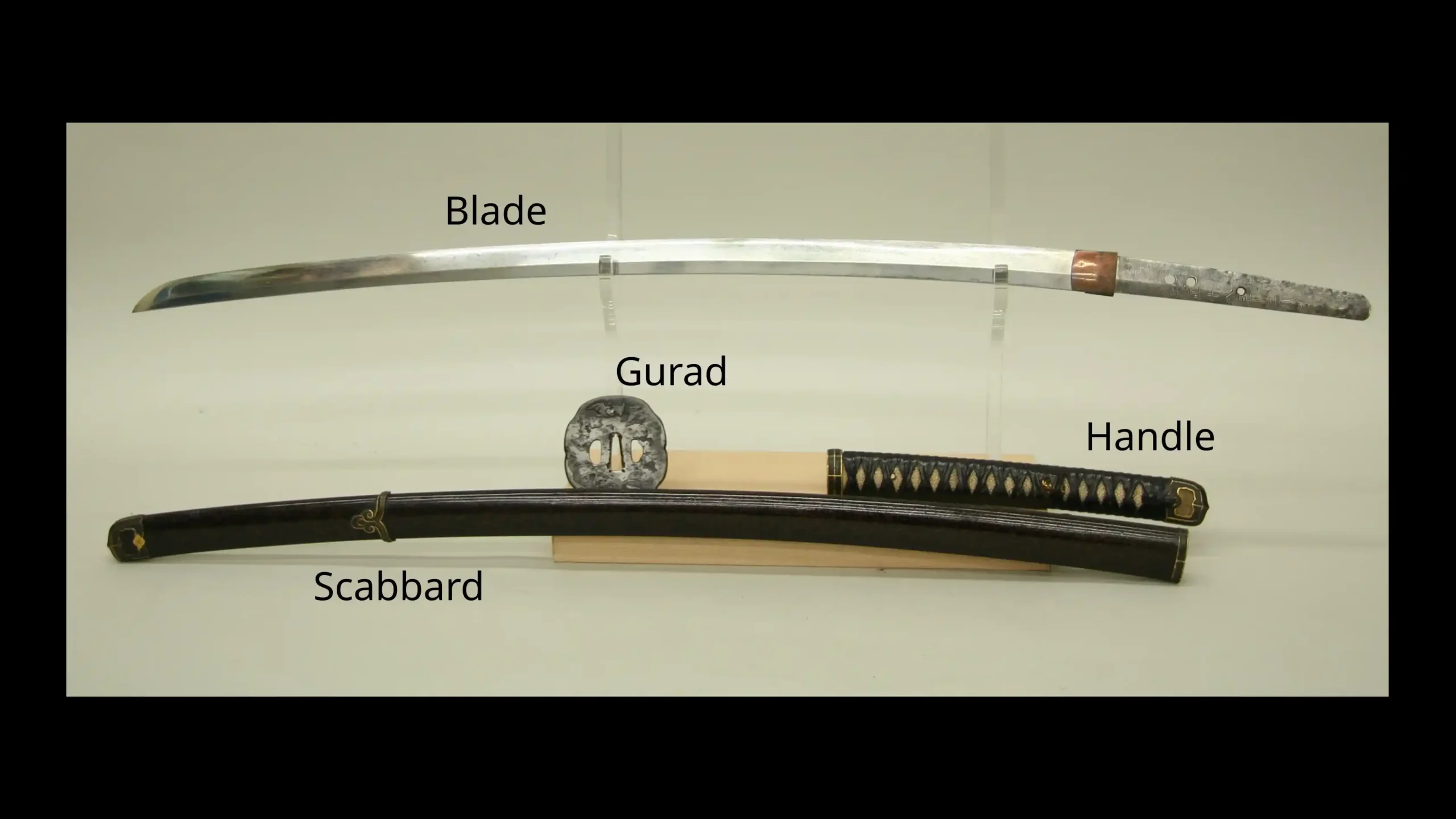
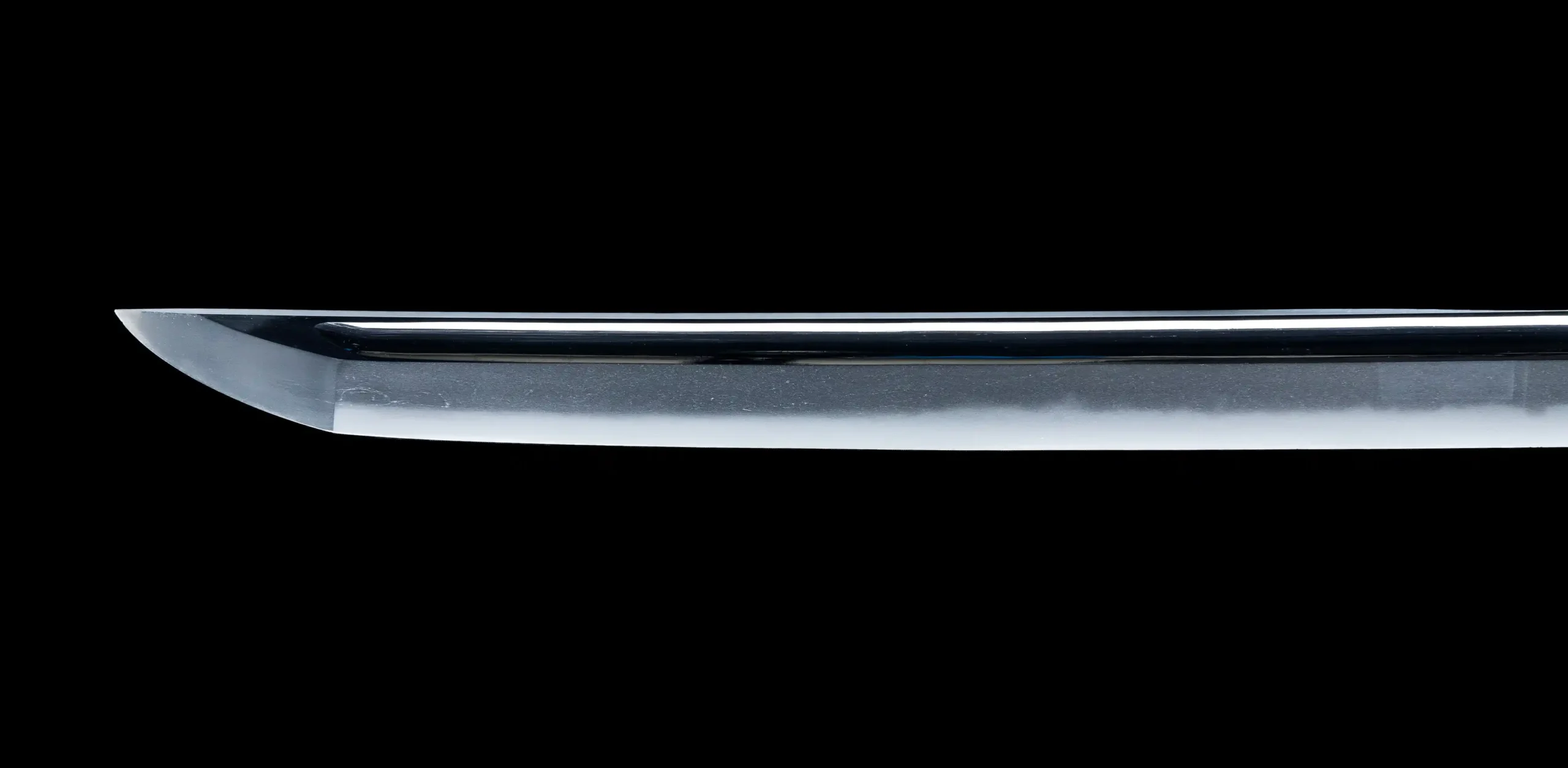
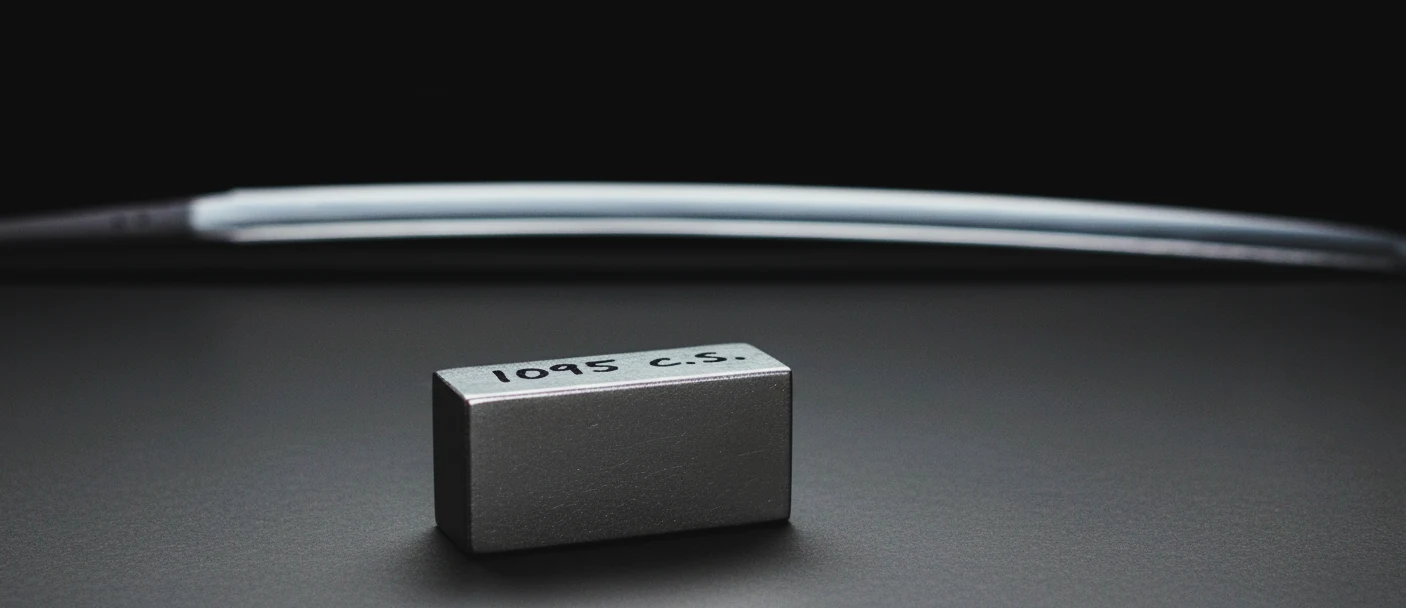
Since most Japanese sword types evolved from one another, their crafting techniques are quite similar. They often share the same steel, parts, and processes for sharpening or forging. Most samurai swords also feature single-edged blades designed for cutting, though rare examples of double-edged katana or tachi do exist.
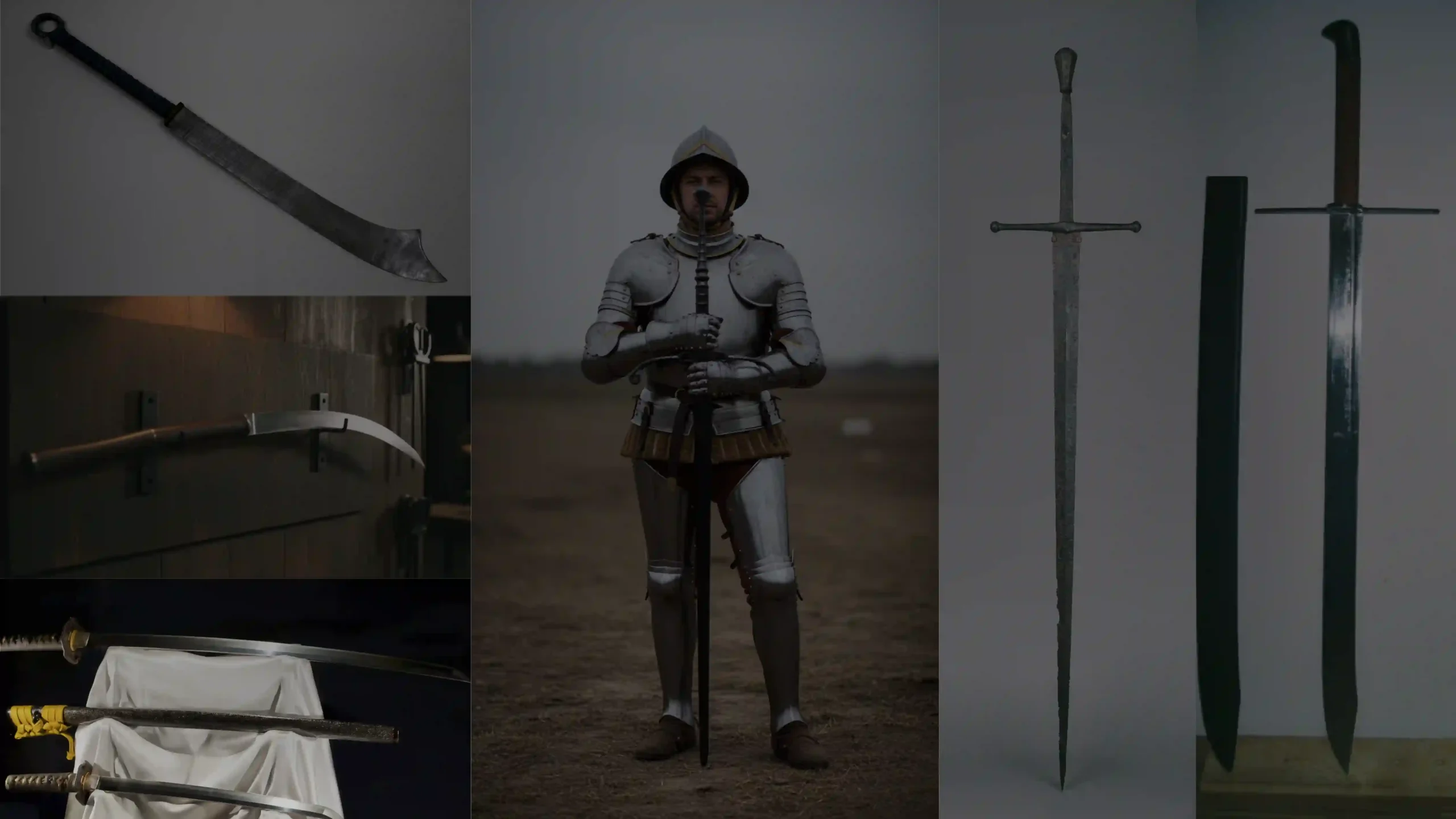
While katana swords differ slightly from other samurai swords, they can also vary among themselves. The biggest difference is typically their length, as each sword was designed for different purposes. For example, the katana was more compact and easier to handle, which is why samurai carried it at all times, while larger swords like the nodachi were only used in specific situations due to their size.
If you want to see how the katana compares to other samurai swords in more detail, check out our other articles below:
Last Words
As we mentioned, the katana is just one of the many swords wielded by samurai warriors. Their impressive collection also included the tachi, wakizashi, tanto, nodachi, nagamaki, and naginata. Since these samurai swords largely evolved from one another, their crafting techniques are quite similar. They often share the same steel, fittings, and intricate details.
The most significant difference among them lies in their length, which was specifically designed to suit various battlefield applications. This variation in size provided distinct advantages and disadvantages depending on the combat situation. While most feature single-edged, slightly curved blades, their unique lengths truly defined their purpose and handling