We may earn revenue from the products available on this page and participate in affiliate programs. Learn more >
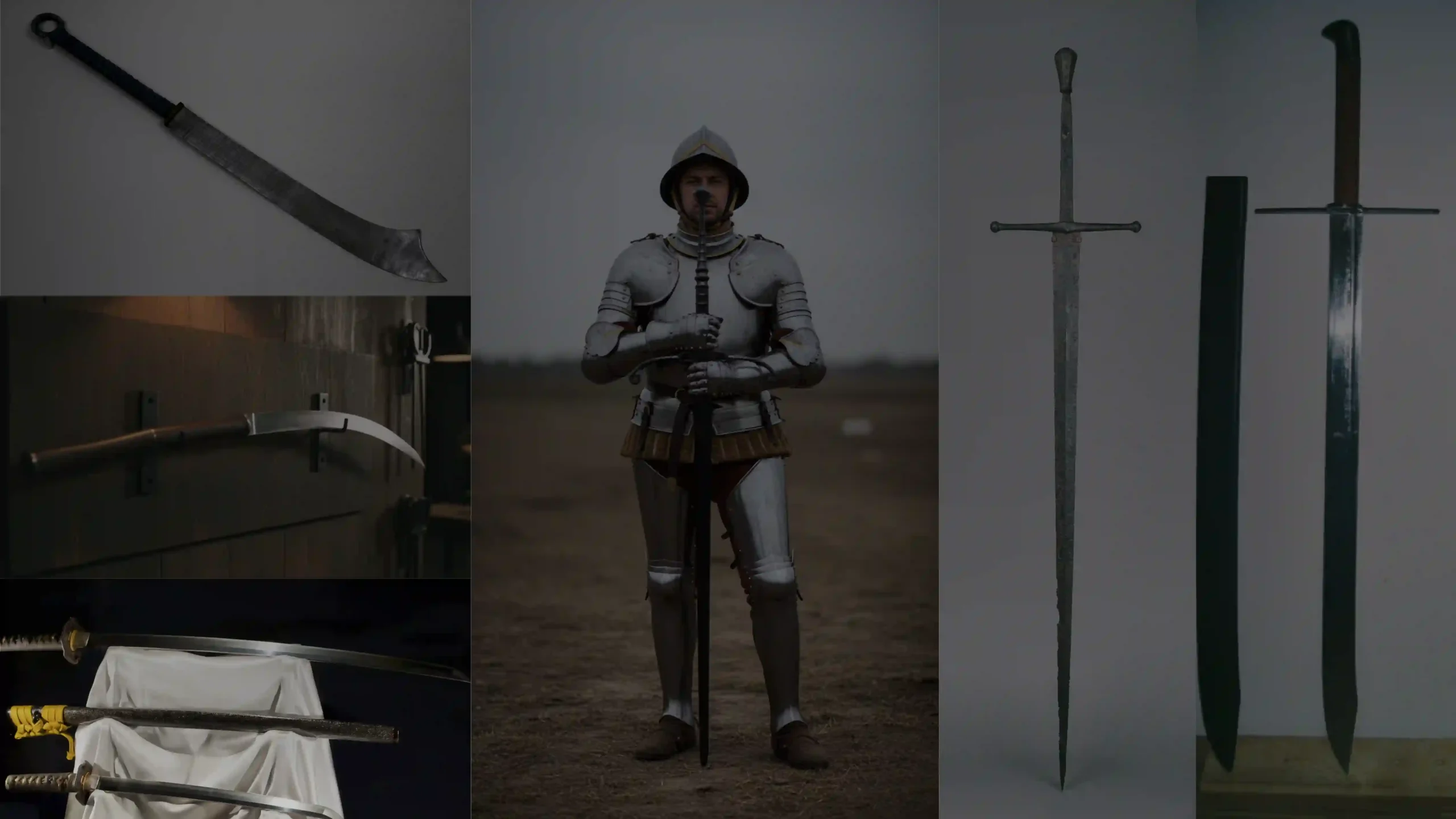
While samurai katanas are the most well-known Japanese swords, many other one-handed and two-handed types were used throughout history. They differed in length, forging methods, and usage. Let’s explore 15 Japanese sword types.
Samurai Sword Types
Katana
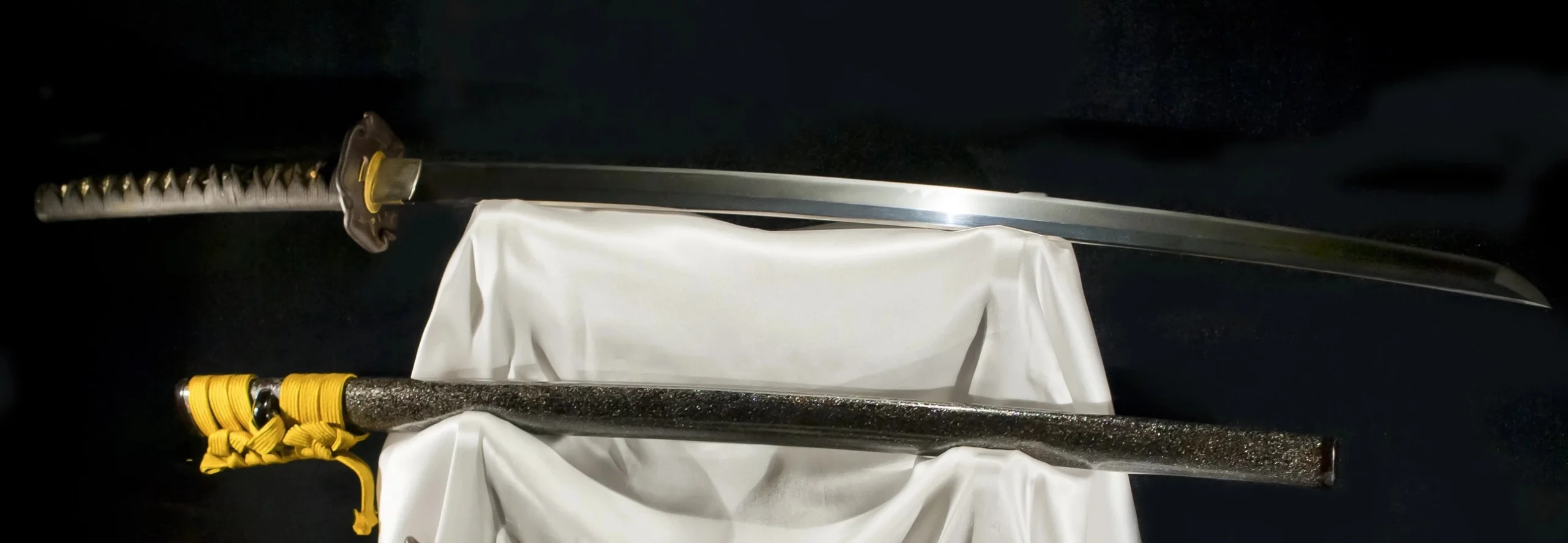
| Overall length | 90-110 cm (35-43 in) |
| Blade (Nagasa) | 60-80 cm (24-31 in) |
| Handle (Tsuka) | 25-30 cm (10-12 in) |
| Weight | 1-1.4 kg (2.2-3 lbs) |
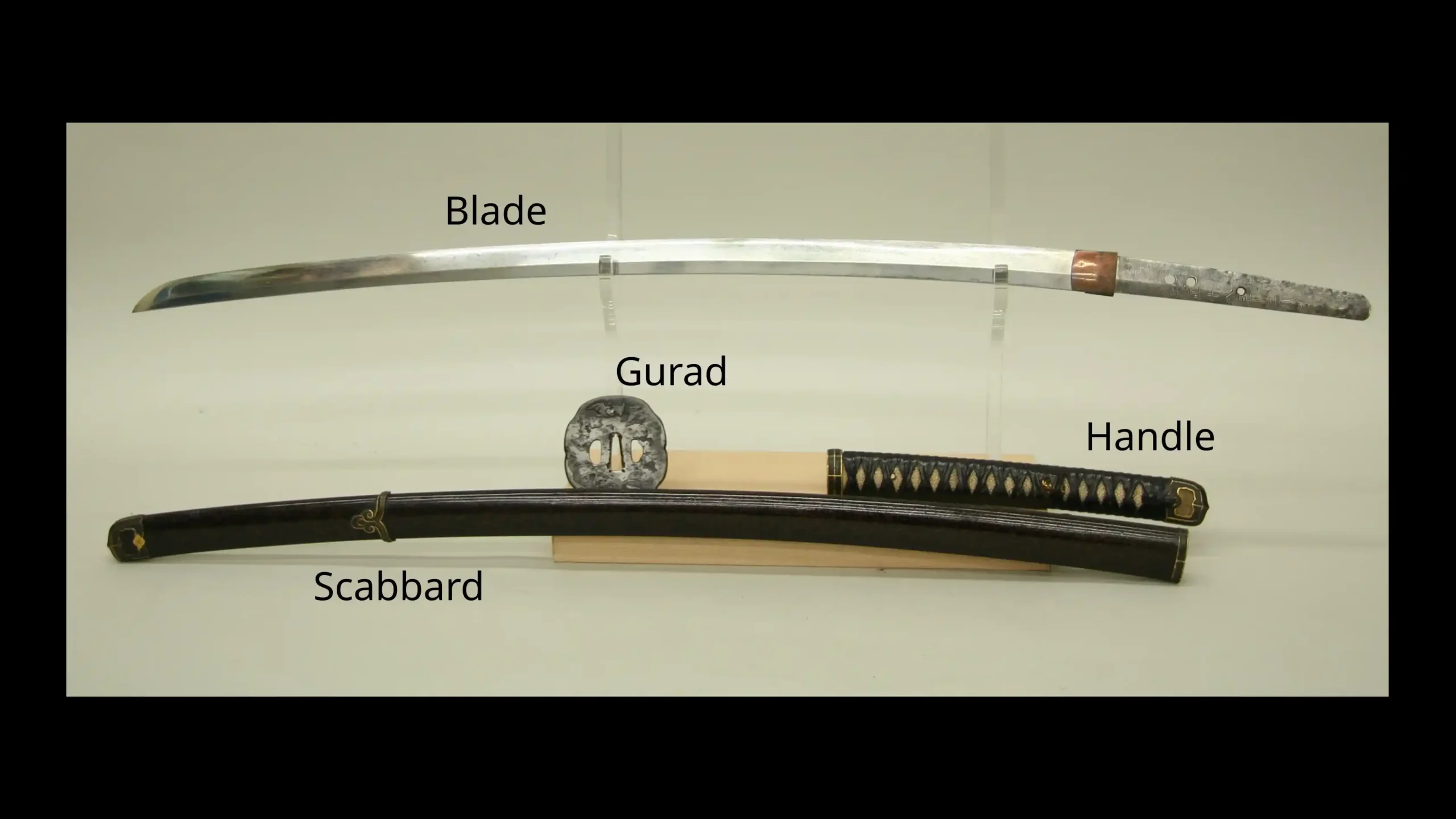
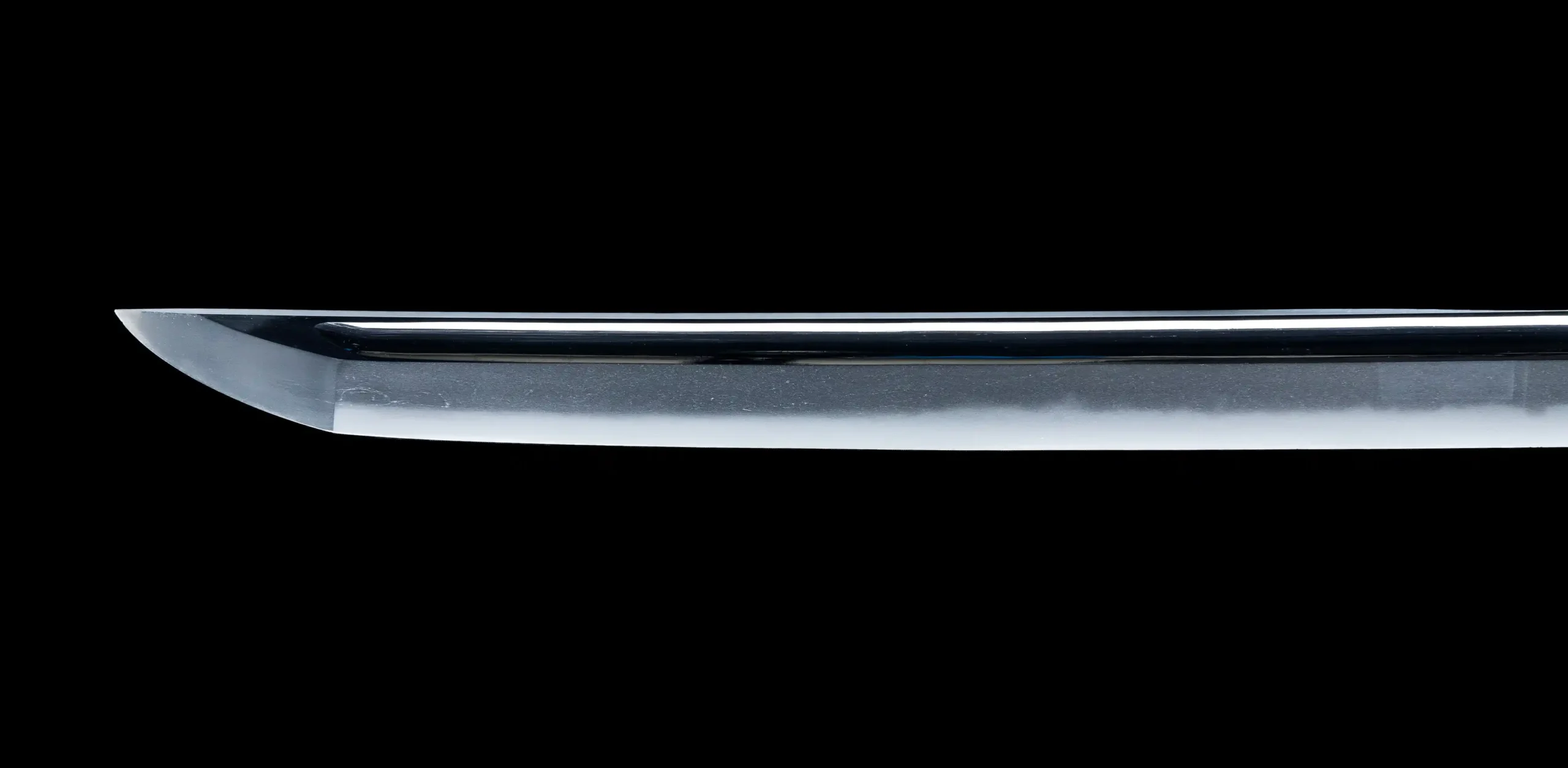
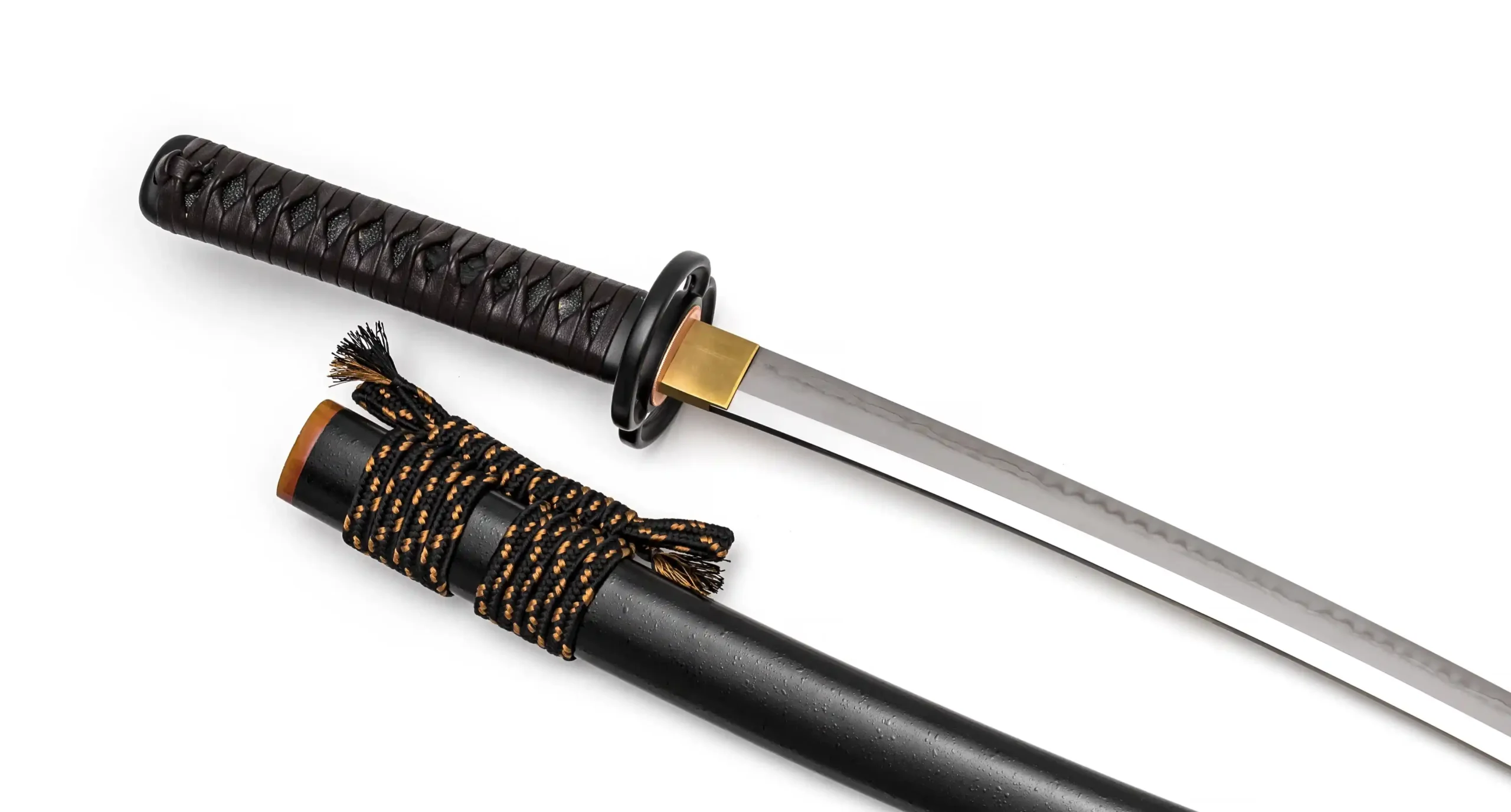
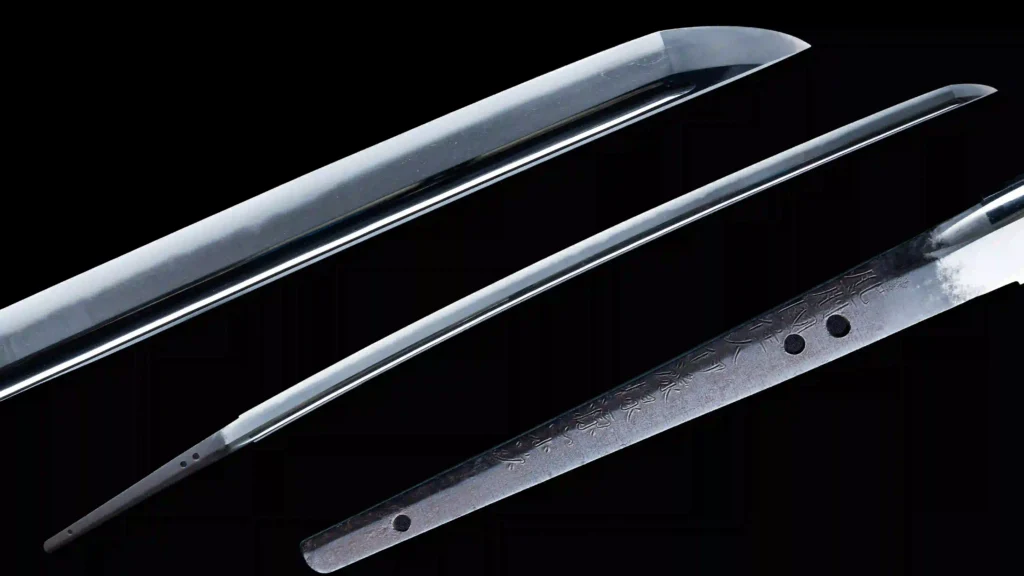
Used since the Kamakura period (1185–1333), the katana was seen as the spirit of the samurai. These swords were known for their high quality forging techniques and exceptional cutting ability. A katana has a medium-length blade with a gentle curve and an elaborate design, showing beautiful hamon lines (the visible temper line on the blade) and often featuring finely crafted tsuba (handguards) and other quality fittings.
Tachi
| Overall length | 100-115 cm (39-45 in) |
| Blade (Nagasa) | 70-80 cm (28-31 in) |
| Handle (Tsuka) | 25-30 cm (10-12 in) |
| Weight | 1-1.3 kg (2.2-2.9 lbs) |
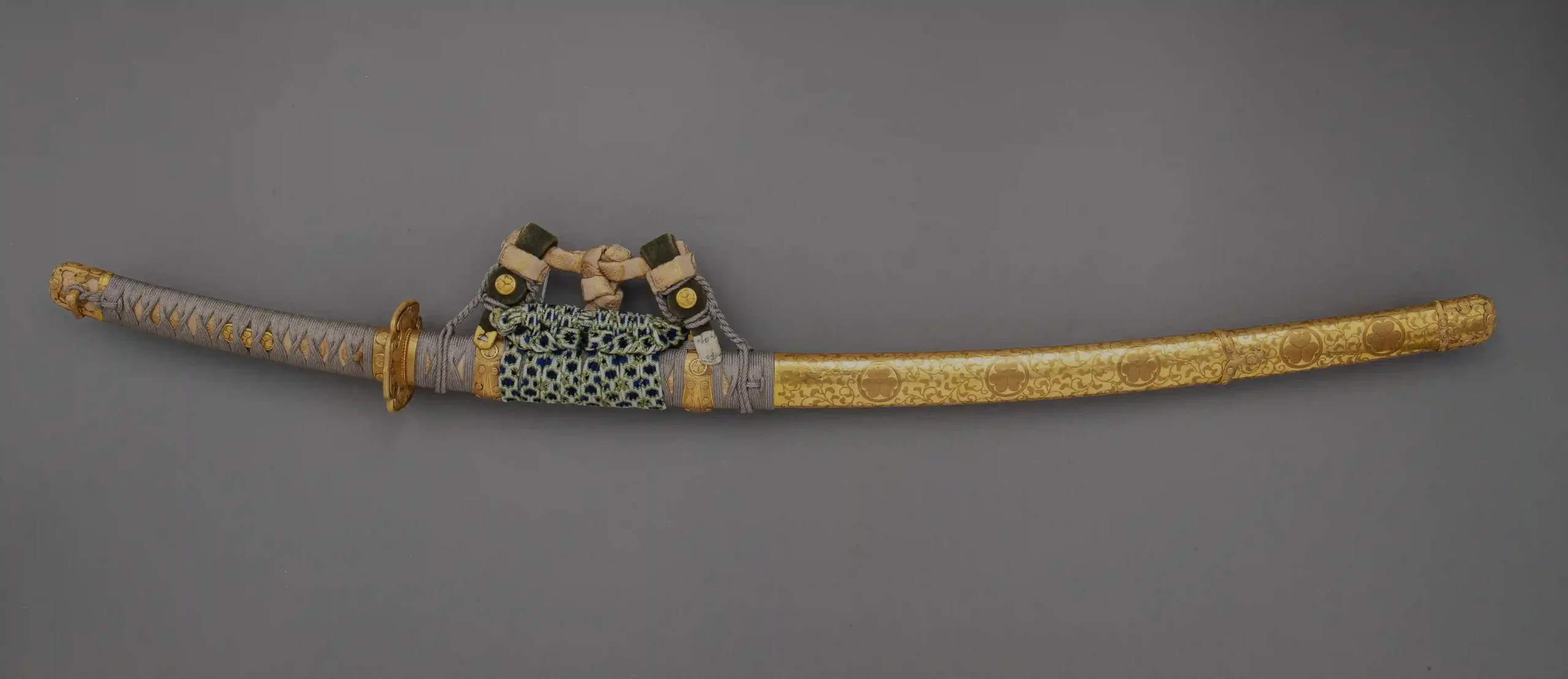
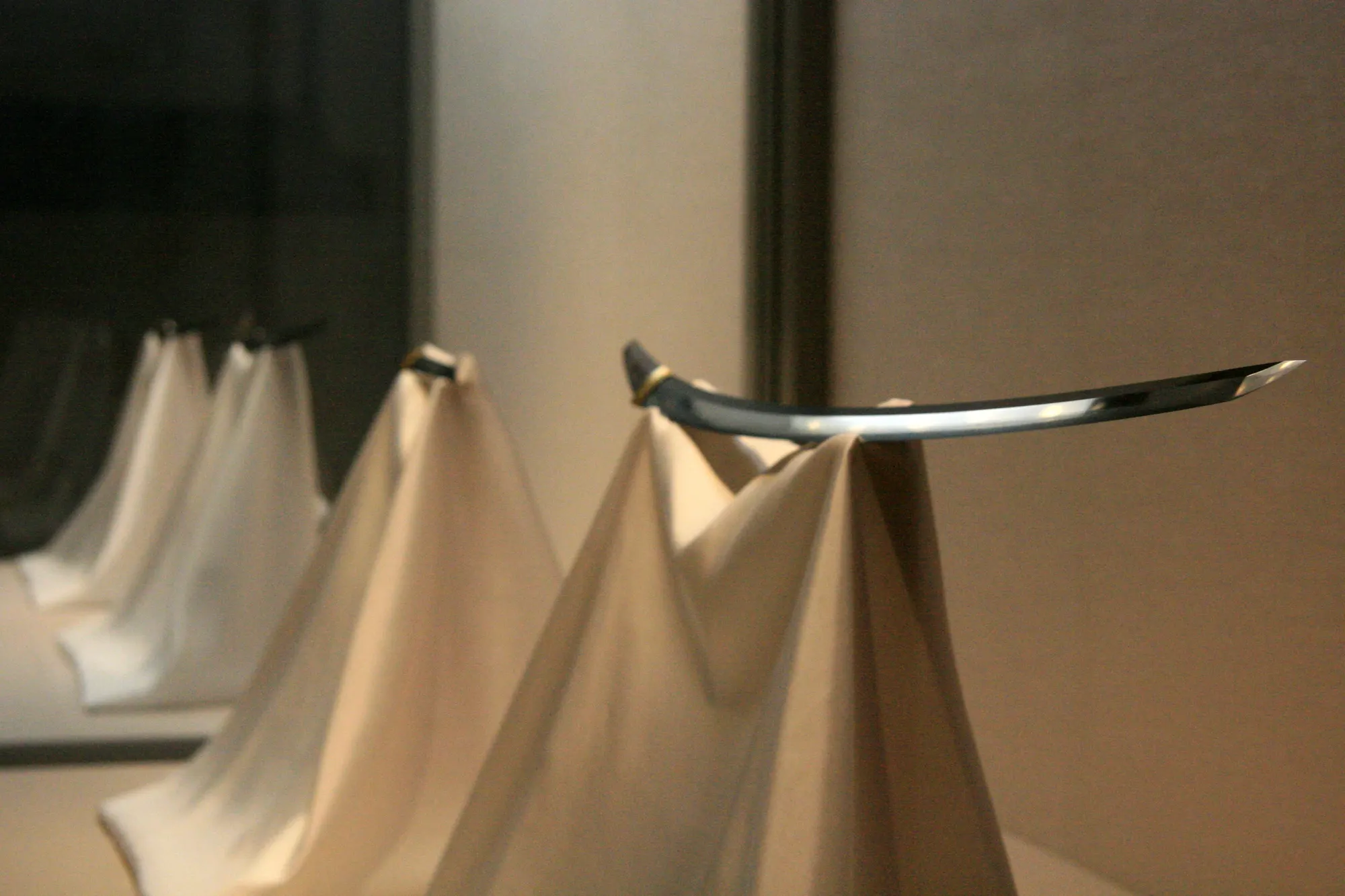
The tachi is the ancestor of the katana(check, tachi vs katana), used primarily by mounted samurai before the 1400s. Its key features include a deep curve and a single sharp edge, a design that made one-handed slashing attacks from horseback highly effective. These traditionally made swords were often elaborate and sometimes served a ceremonial role.
Read: The Best Tachi Swords: Our Recommendations for Use & Collection
Kogarasu-Maru (Type of Tachi)
| Overall length | 100-115 cm (39-45 in) |
| Blade (Nagasa) | 70-80 cm (28-31 in) |
| Handle (Tsuka) | 25-30 cm (10-12 in) |
| Weight | 1-1.3 kg (2.2-2.9 lbs) |
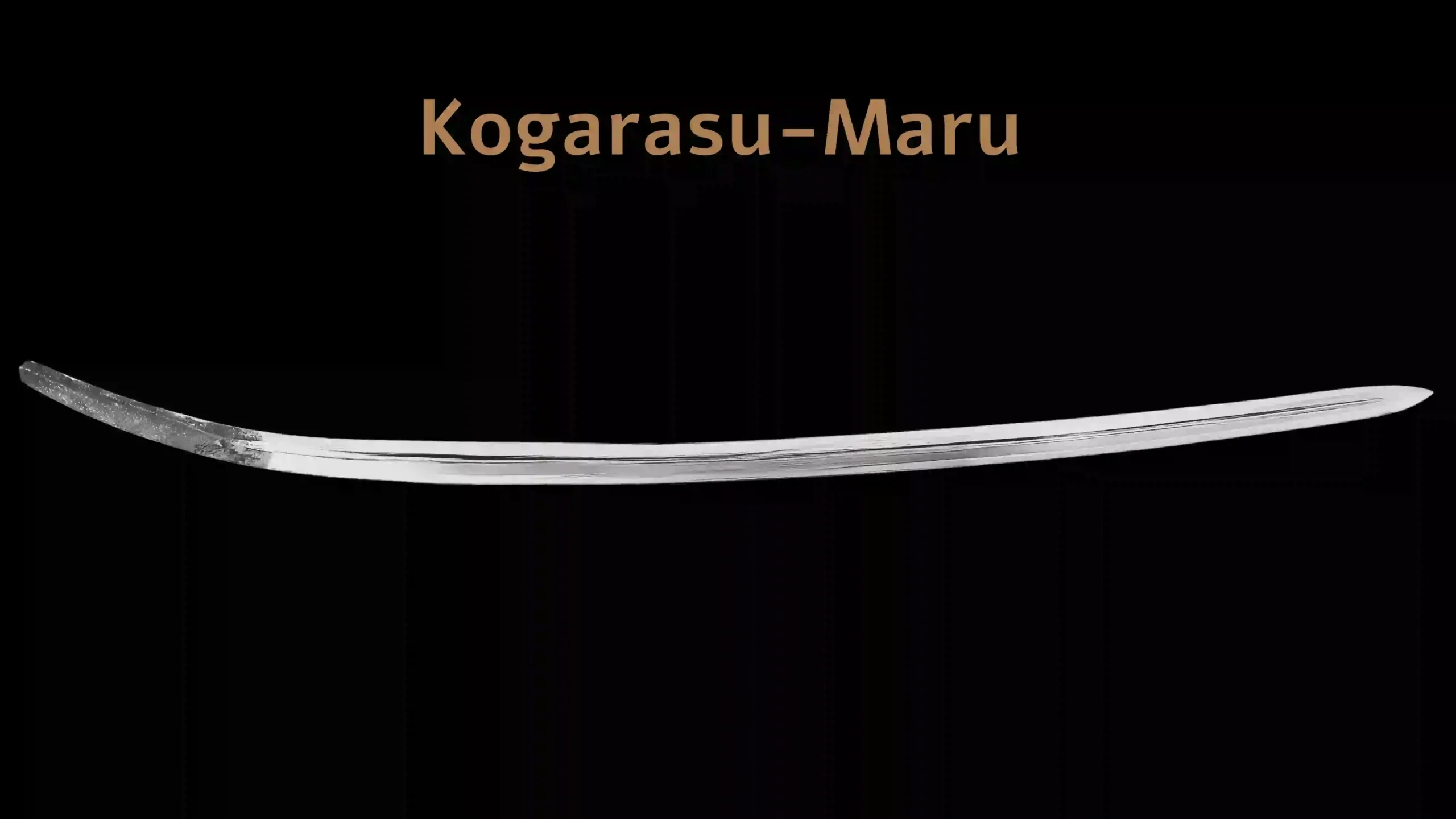
The Kogarasu-Maru, meaning “Little Crow,” is a legendary Japanese sword renowned for its unique and ancient design. In fact, this is a type of tachi with a slightly different design. Unlike most traditional Japanese tachis which feature a single cutting edge, the Kogarasu-Maru possesses a distinctive double-edged tip with a slightly different shape, more optimized for thrust attacks. Believed to have been forged in the Heian period (794-1185 AD), its slightly curved blade was primarily designed for sweeping cuts from horseback.
Kodachi (Type of Tachi)
| Overall length | 75-85 cm (30-33 in) |
| Blade (Nagasa) | 40-60 cm (16-24 in) |
| Handle (Tsuka) | 20 cm (8 in) |
| Weight | 0.8-1.1 kg (2.2 lbs) |
The Kodachi is just a smaller version of the traditional tachi. While sharing its curved blade and general aesthetics, the Kodachi’s compact size allowed for quick, agile maneuvers, making it ideal for close-quarters combat or as a secondary weapon. It was typically worn suspended from the belt with the cutting edge down, similar to its larger counterpart. Its smaller stature made it suitable for situations where a full-sized sword might be cumbersome, or for individuals who preferred a lighter, more nimble blade.
Wakizashi
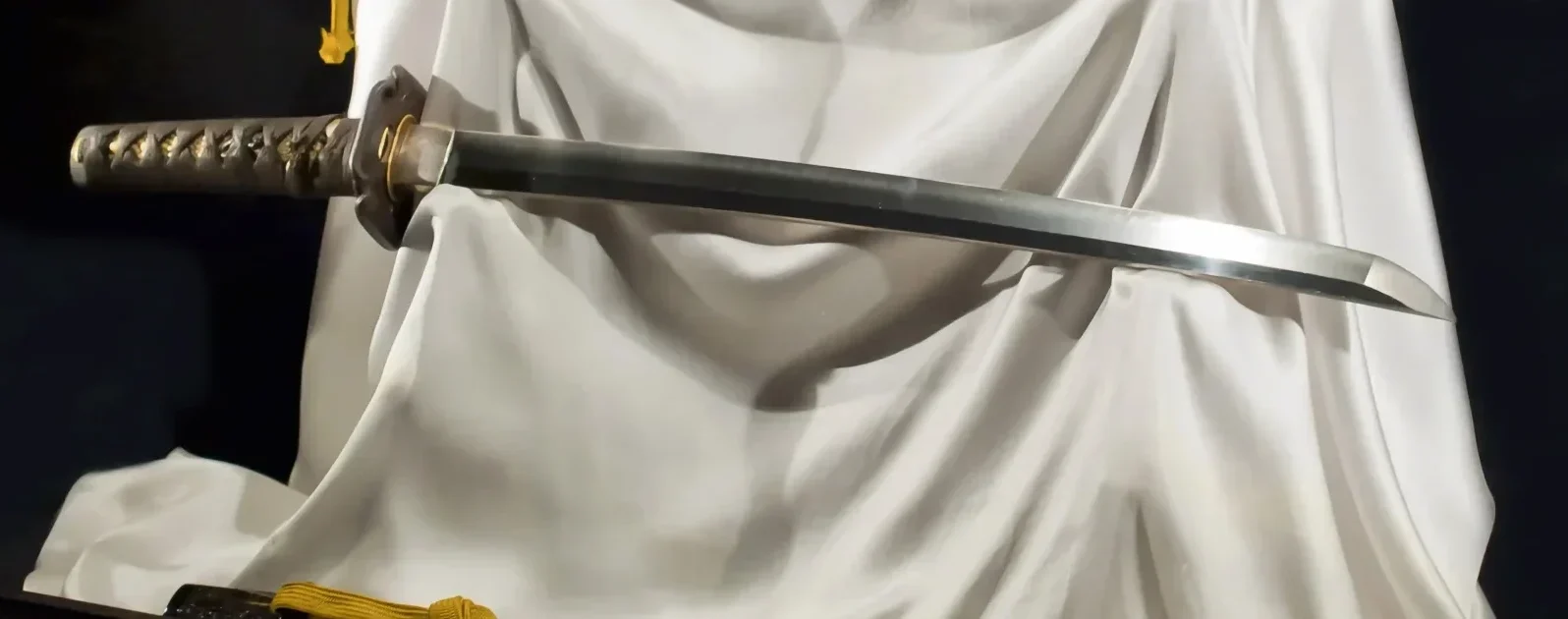
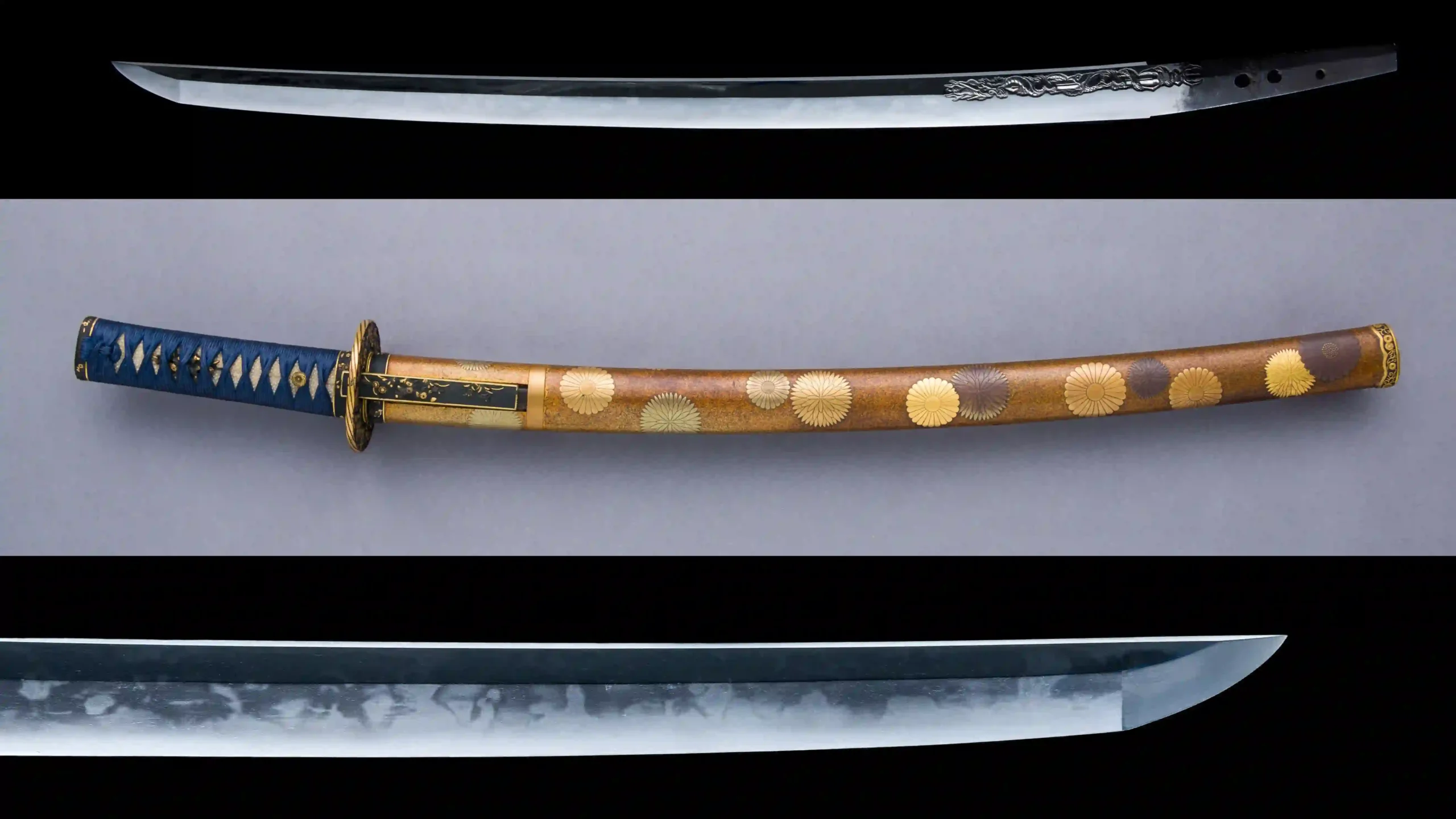
| Overall length | 50-70 cm (20-28 in) |
| Blade (Nagasa) | 30-60 cm (12-24 in) |
| Handle (Tsuka) | 15-20 cm (6-8 in) |
| Weight | 0.6-0.8 kg (1.3-1.8 lbs) |
The wakizashi is a Japanese one-handed short sword often paired with the katana, forming the traditional daisho samurai set. It was worn at the waist and used for close combat, indoor fighting, and as a backup weapon. Lightweight, fast, and with good reach, the wakizashi is said to have been the most widely used sword among samurai.
Tanto
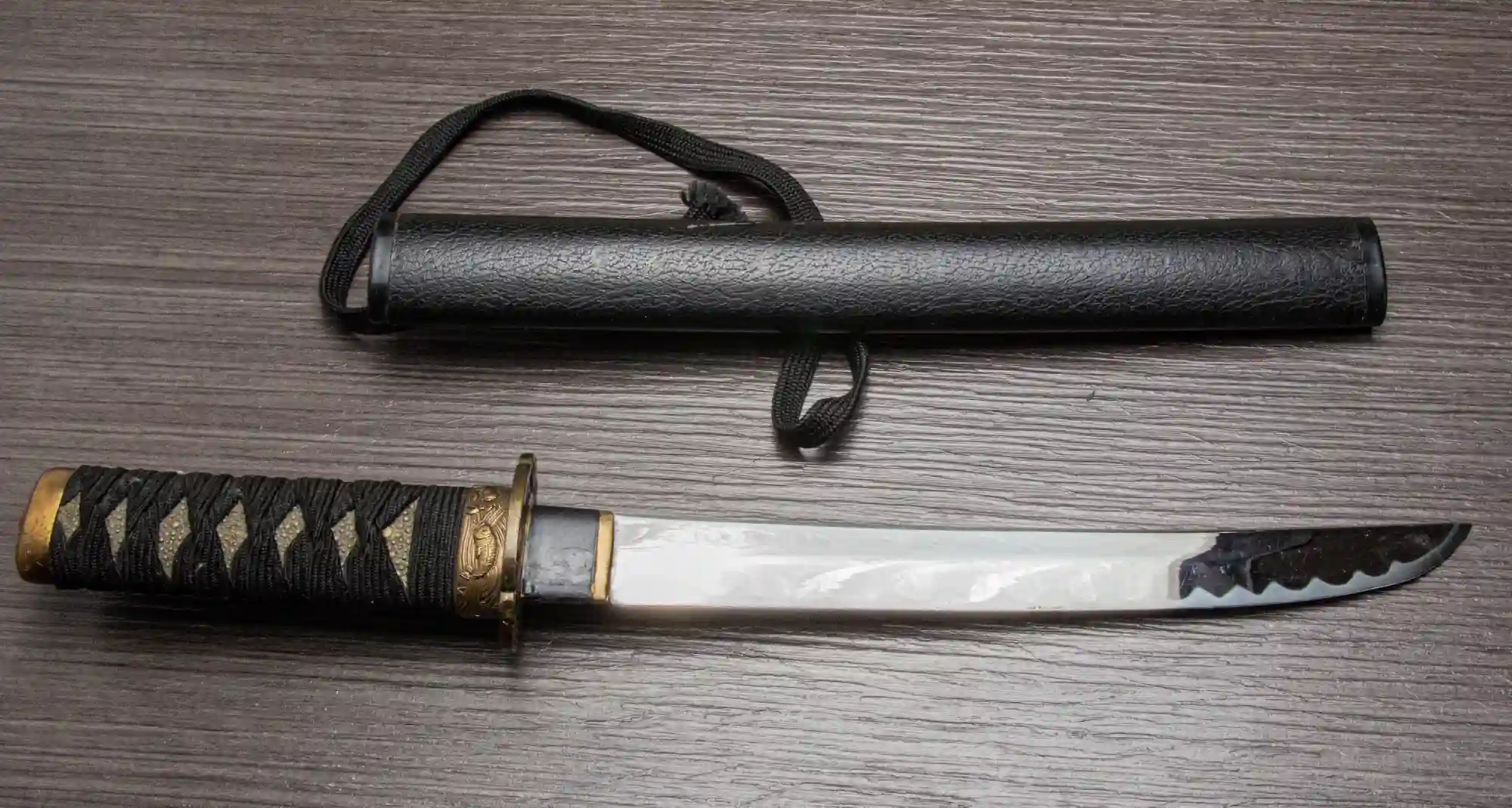
| Overall length | 30-55 cm (12-22 in) |
| Blade (Nagasa) | 15-30 cm (6-12 in) |
| Handle (Tsuka) | 10-15 cm (4-6 in) |
| Weight | 0.4-0.6 kg (0.9-1.3 lbs) |
The Tanto is a small, single-edged Japanese blade more like a knife or dagger. Samurai carried it alongside their main swords, and it was used in tight spaces or as a last-resort weapon. Though compact, the tantō was sharp, strong, and capable of piercing armor at close range. It was often crafted with the same care and detail as a full-sized sword.
Nodachi
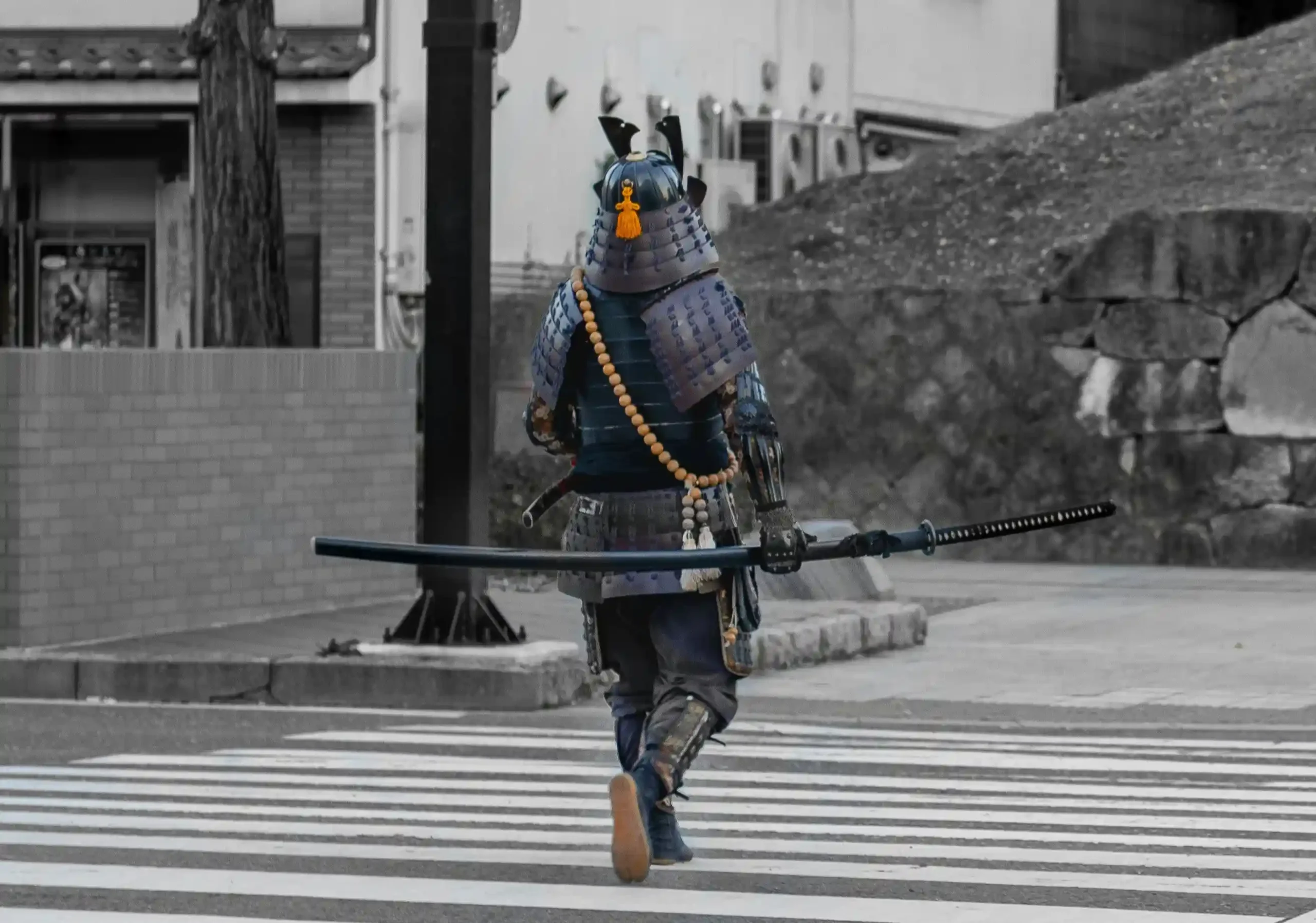
| Overall length | 140-180 cm (55-71 in) |
| Blade (Nagasa) | 90-120 cm (35-47 in) |
| Handle (Tsuka) | 40-60 cm (16-24 in) |
| Weight | 2-3 kg (4.4-6.6 lbs) |
The nodachi, or odachi, is one of the largest Japanese swords and the biggest sword samurai used on the battlefield. These huge weapons appeared during the late Kamakura period (1185–1333) and were used until the Muromachi period (1336–1573). Its size gave it great cutting power and reach, especially against cavalry or groups of enemies.
Read: Nodachi vs Katana
Nagamaki
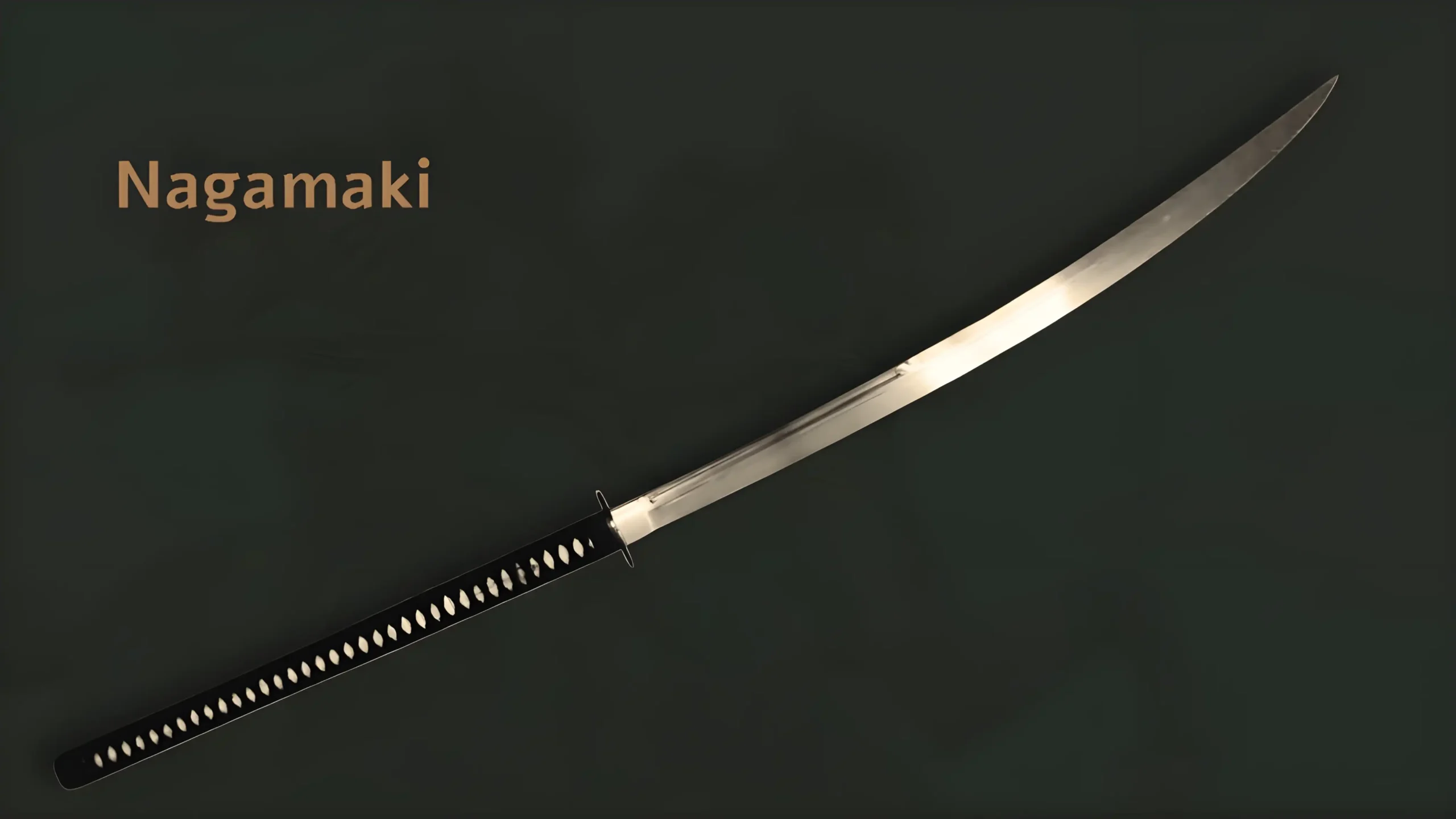
| Overall length | 120-160 cm (47-63 in) |
| Blade (Nagasa) | 60-90 cm (24-35 in) |
| Handle (Tsuka) | 40-70 cm (16-28 in) |
| Weight | 1.5-2.5 kg (3.3-5.5 lbs) |
The nagamaki is another large, two handed sword type, but with the blade and reach of a regular katana. What made this sword appear larger was its extended handle, almost equal in length to the blade. The nagamaki looks like a mix between a sword and a polearm, designed for sweeping slashes and wide movements on the battlefield.
Naginata(Polearm)
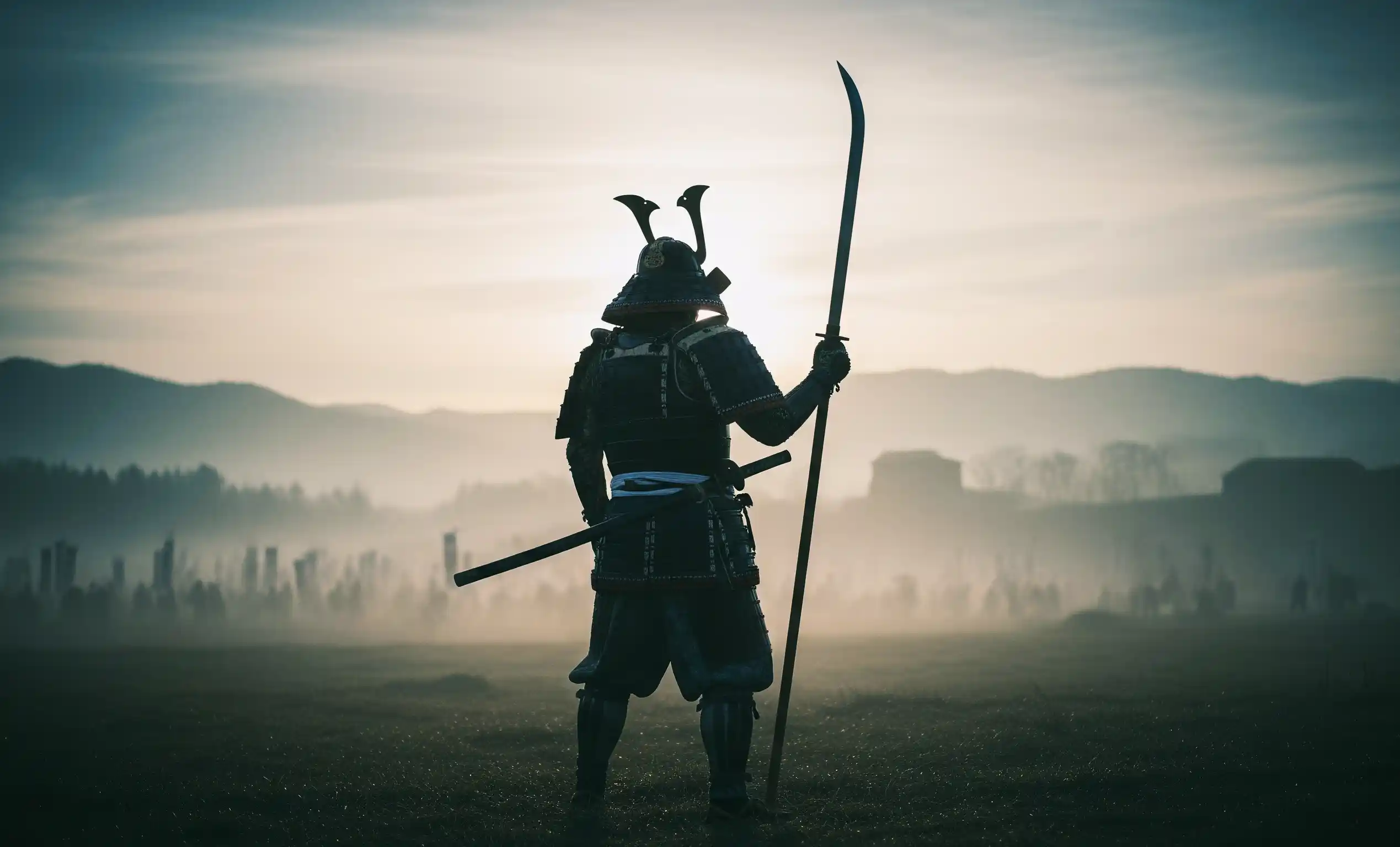
| Overall length | 150-250 cm (59-98 in) |
| Blade (Nagasa) | 30-60 cm (12-24 in) |
| Handle length | 120-190 cm (47-75 in) |
| Weight | 1.5-3 kg (3.3-6.6 lbs) |
The naginata is a formidable Japanese polearm, characterized by its long shaft topped with a curved, single-edged blade. It was a versatile weapon, primarily wielded with two hands, allowing for wide, powerful arcs and effective thrusts. Historically, the naginata was used by various warriors, including samurai, foot soldiers, and notably by sōhei (warrior monks) and onna-bugeisha (female warriors).
Other Japanese Sword Types
Ninjato
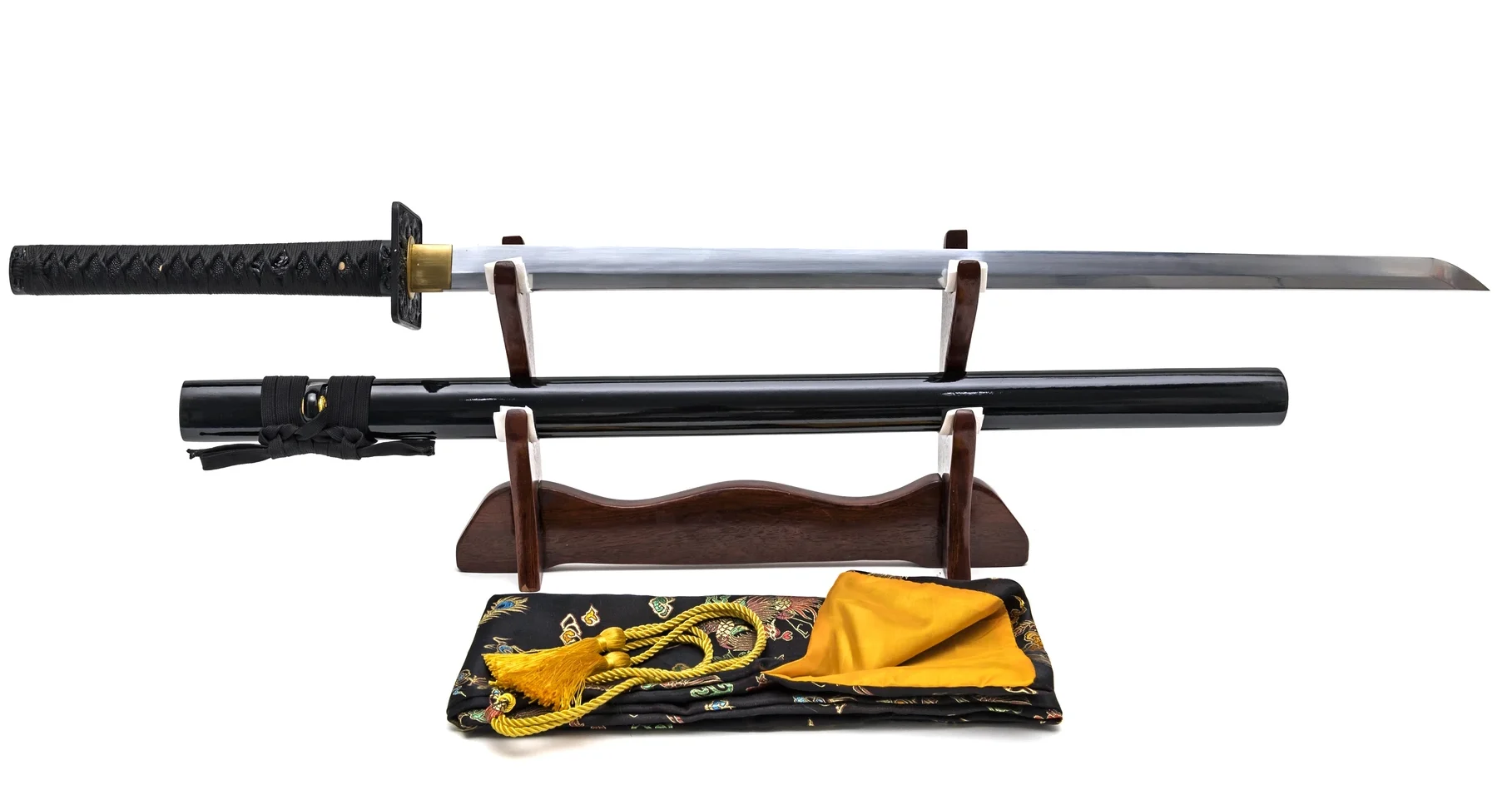
| Overall length | 85–95 cm (33–37 in) |
| Blade (Nagasa) | 60–70 cm (23.5–27.5) |
| Handle (Tsuka) | 20-30 cm (8-12 in) |
| Weight | 1-1.3 kg (2.2-2.9 lbs) |
The sword of the ninja, also known as the ninjato, is another short sword characterized by a straight blade and a typical square guard (tsuba). Its design made it practical to carry and quick to draw — things that were especially important for ninjas. Though its exact history is debated, it has become a lasting symbol of the ninja’s secretive and agile world. Today, it’s popular in martial arts, movies, and collections alike.
Read: The Best Ninja Swords in 2025
Chokuto
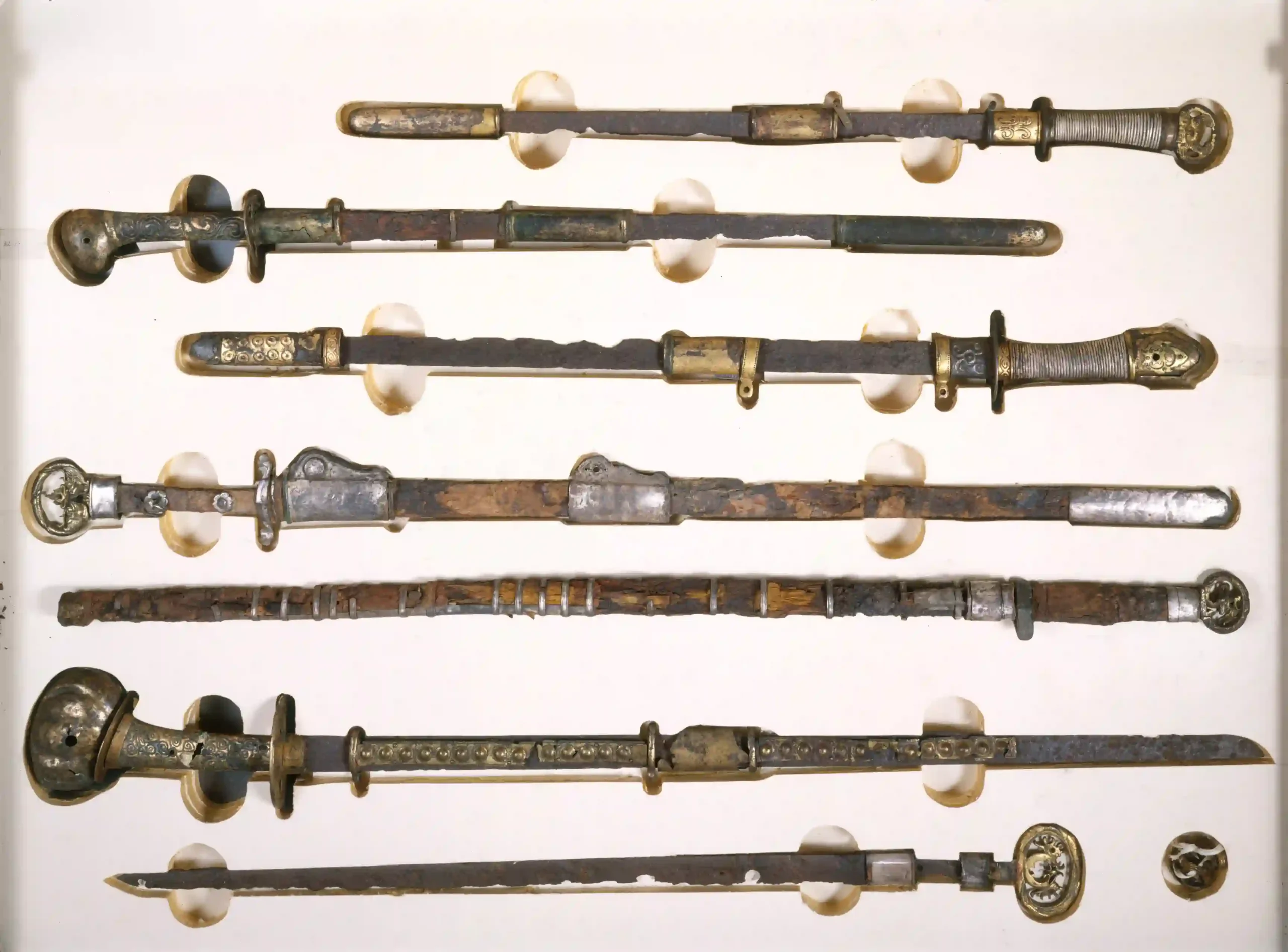
| Overall length | 80-105 cm (31-41 in) |
| Blade (Nagasa) | 55-75 cm (22-30 in) |
| Handle (Tsuka) | 25-30 cm (10-12 in) |
| Weight | 1-1.5 kg (2.2-3.3 lbs) |
Characterized by its straight, single-edged blade, the chokuto is one of the oldest Japanese sword types. It’s said to have been influenced by Chinese designs, mainly the dao, which was already in use at the time. The chokuto was used for stabbing and slicing in close combat, as it was shorter and built differently compared to katanas. Though it eventually faded from use as curved blades proved more effective in battle, they remains important as a historical sword that marks the beginning of Japan’s sword-making tradition.
Tsurugi
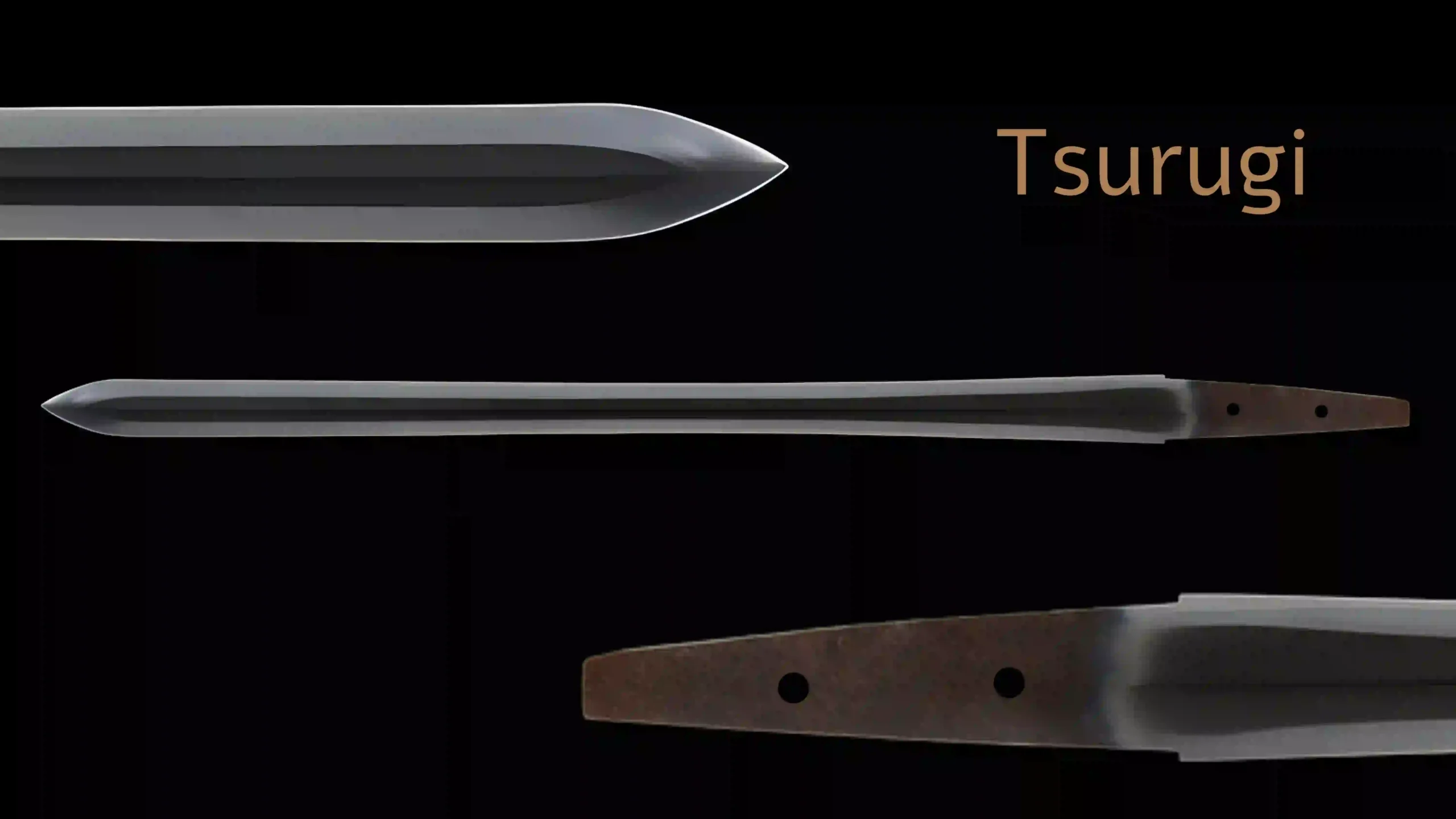
| Overall length | 100–110 cm (39–43 in) |
| Blade (Nagasa) | 60–73 cm (23.5–28.5 in) |
| Handle (Tsuka) | 25–30 cm (9.8–11.8 in) |
| Weight | 1–1.3 kg (2.4–3.3 lbs) |
The Tsurugi (or Ken) is considered one of Japan’s earliest sword types. Unlike the later, typically curved Japanese blades, it featured a straight, double-edged design, ideal for both thrusting and cutting. Originating in ancient Japan, the Tsurugi was deeply intertwined with rituals, mythology, and sacred symbolism. While some were used in battle (with or without a shield), many served primarily ceremonial purposes. Its design is believed to have been influenced by Chinese Jian swords.
Warabiteto
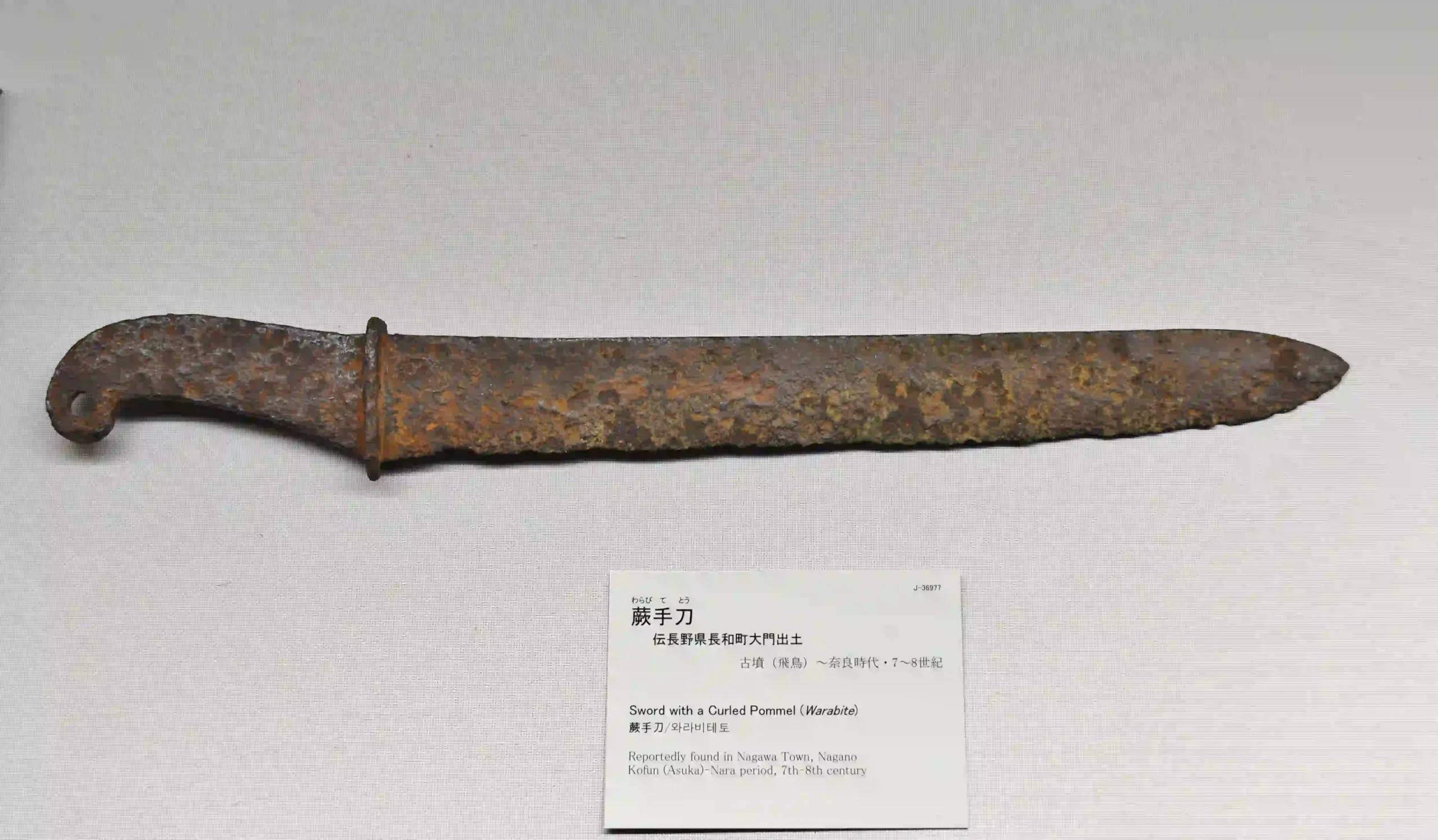
| Overall length | 50–70 cm (19.7–27.5 in) |
| Blade (Nagasa) | 35–55 cm (13.7–21.6 in) |
| Handle (Tsuka) | 10–15 cm (3.9–5.9 in) |
| Weight | 500–900 g (1.1–2 lbs) |
The Warabiteto is an early Japanese sword with a straight or slightly curved blade, believed to have been used before the rise of the samurai class. Its name comes from the “warabi” fern, which its handle is said to resemble. The blade was often wide and thick, made for powerful strikes, and used by ancient warrior groups in Japan. Though not as refined as later swords like the katana, the warabiteto shows the beginnings of Japanese sword design. Today, it holds historical value as a rare example of Japan’s earliest edged weapons.
Gunto
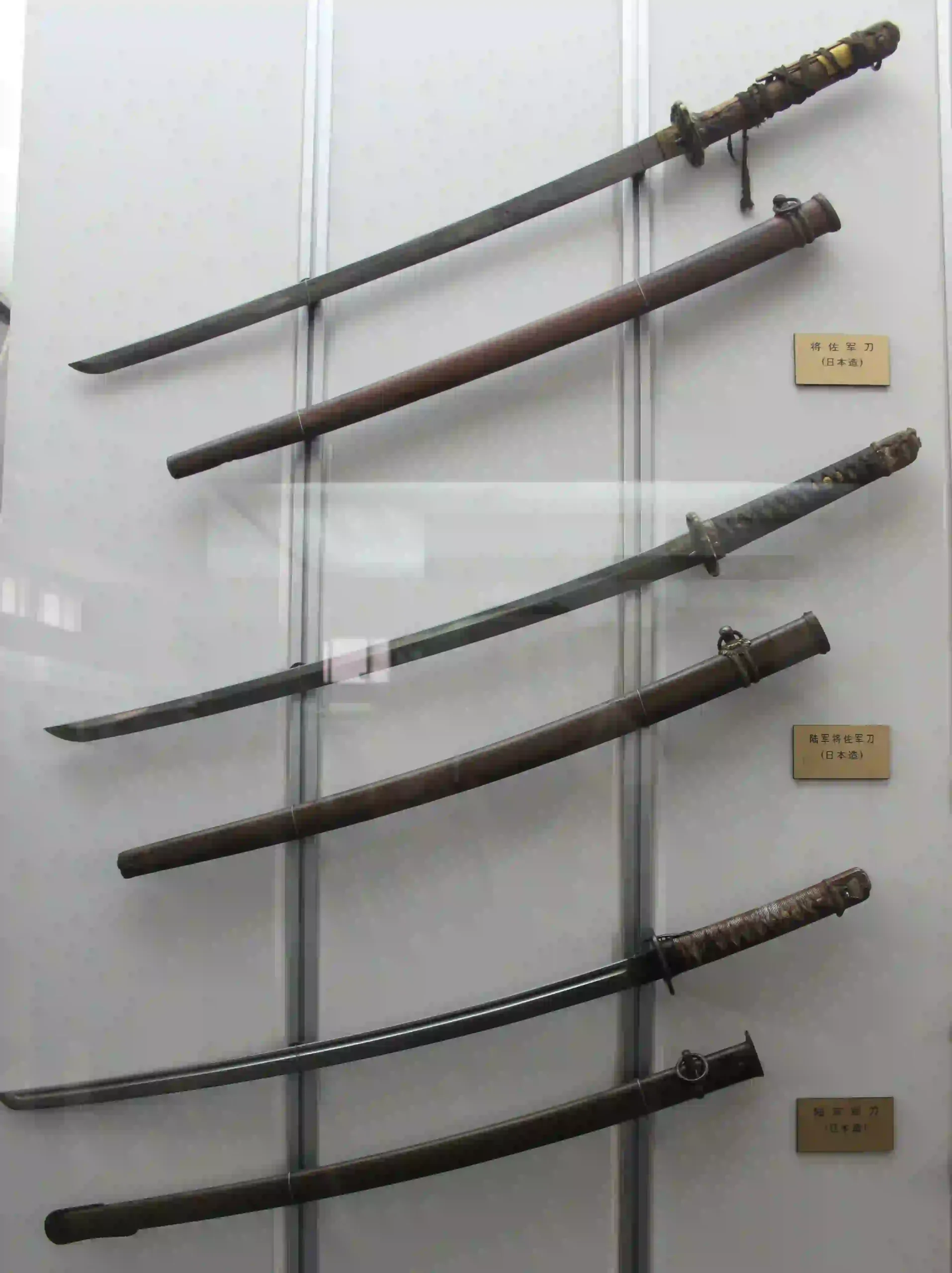
| Overall length | 90-100 cm (35-39 in) |
| Blade (Nagasa) | 60-70 cm (24-28 in) |
| Handle (Tsuka) | 20-25 cm (8-10 in) |
| Weight | 0.9-1.2 kg (2-2.6 lbs) |
The Gunto refers to a style of Japanese sword produced for military officers and soldiers primarily during the late 19th and 20th centuries. Unlike the traditionally forged and artistic katana, tachi, or wakizashi, Gunto were often mass-produced using more modern manufacturing techniques to equip a large standing army.
They maintained the general appearance of traditional Japanese swords, often featuring curved blades and handles designed for two-handed grip, but their primary purpose was as a functional military sidearm rather than a cherished family heirloom. There were different types with different characteristics and lengths.
Shikomizue
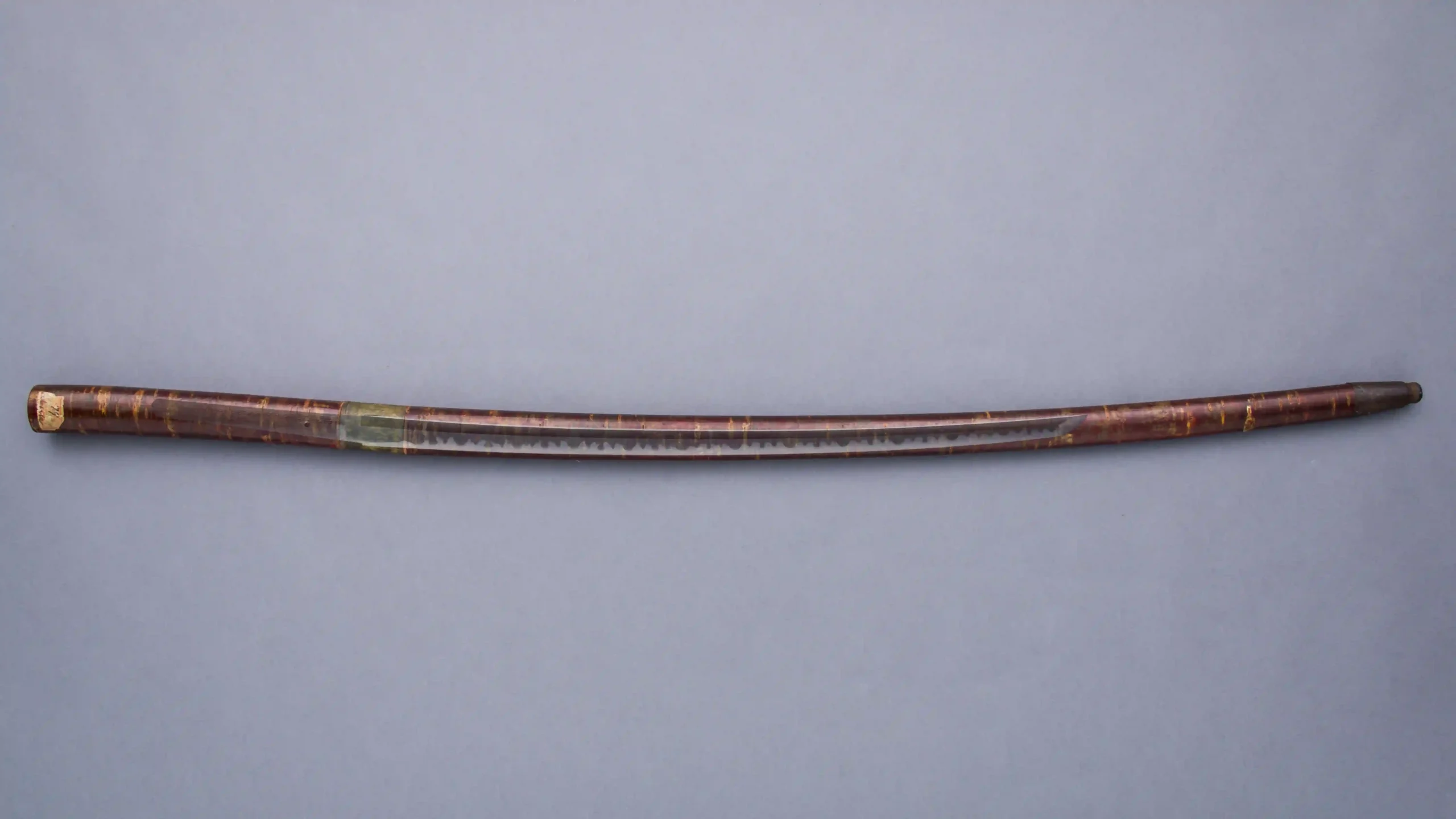
| Overall length | 100-105 cm (39-41 in) |
| Blade (Nagasa) | 70-75 cm (28-30 in) |
| Handle (Tsuka) | 25-30 cm (10-12 in) |
| Weight | 0.7-1 kg (2.2-2.6 lbs) |
The shikomizue is a hidden blade sword, cleverly disguised as a simple walking stick or cane. Unlike traditional swords, it had no visible guard or fittings, ensuring its purpose remained concealed. The shikomizue saw significant use during the late Edo period in Japan, particularly from the late 18th century through the mid-19th century.
Last Words
Throughout history, Japanese swords evolved to meet the changing needs of warfare, culture, and technique. Different types were developed for specific battle applications, whether for horseback combat, close-quarters fighting, or distance fighting. Each blade design reflected the demands of its time, showing how form and function were carefully balanced. Together, these swords tell the story of Japan’s martial past and the craftsmanship behind it.