We may earn revenue from the products available on this page and participate in affiliate programs. Learn more >
The rapier is a European one-handed sword that rose to popularity during the Renaissance, mainly used for dueling and personal defense. The longsword, on the other hand, is a two-handed sword that saw action on medieval battlefields. Both are lethal blades from history, each representing their own unique style and techniques. But which one would prevail in a duel between the two? Each has its strengths and weaknesses, so let’s take a closer look.
Longsword and Rapier in History
The longsword emerged during the late medieval period, a time when Europe was defined by chivalry, feudal warfare, and the constant evolution of arms and armor. This weapon was crafted for the soldiers of the time, designed to balance reach, cutting power, and versatility. Longswords were used in different field scenarios, they excelled in large scale battles where you needed to fight multiple enemies at once, and also in single combat, same as HEMA teaches today in one of its disciplines.
On the battlefield, it was capable of slicing through lighter armor and delivering powerful thrusts against heavier plate. In the hands of a skilled fighter, it could move smoothly between offense and defense.
Centuries later, as Europe entered the Renaissance, warfare and society transformed. Heavy armor fell out of use, and with it, the nature of combat changed. Out of this shift came the rapier, a slender, elegant weapon refined for civilian use. Unlike the broad and heavy battlefield swords of earlier times, the rapier was long, narrow, and sharply pointed, built for thrusting attacks over cuts. It became a weapon not of soldiers, but of gentlemen, scholars, and nobles who valued its grace as much as its lethality.
Differences in Design and Characteristics
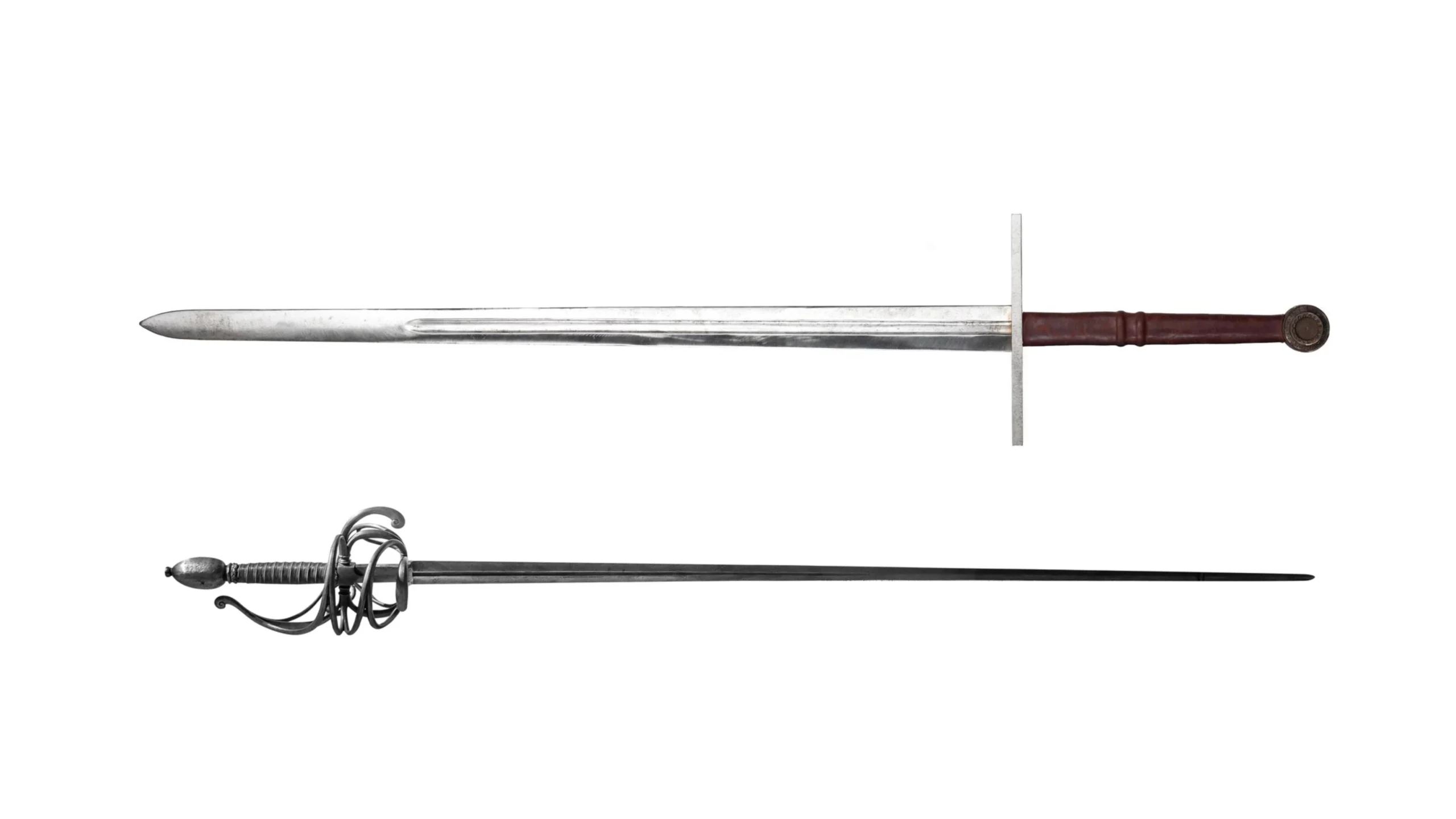
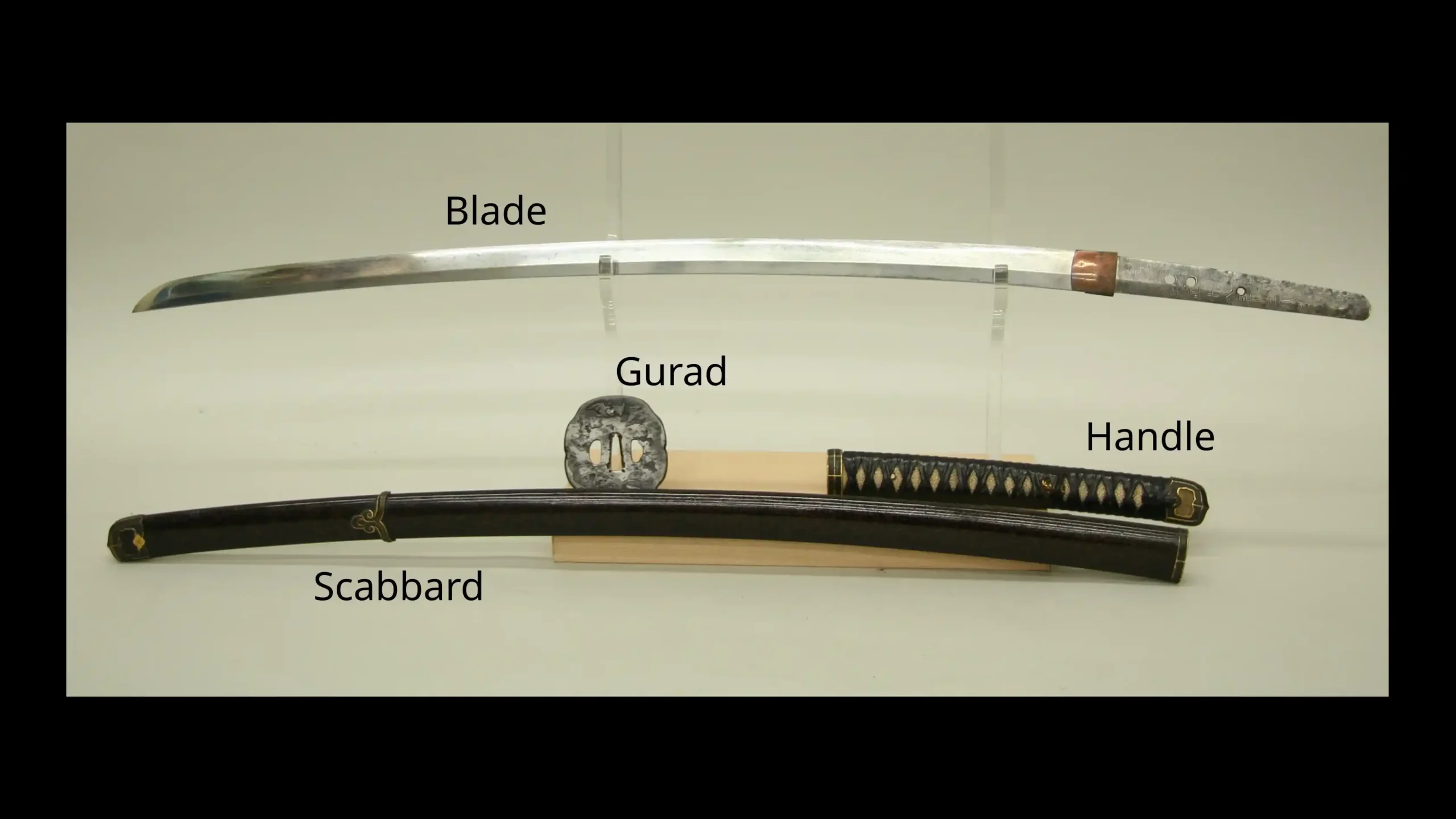
The rapier is made of a long, slender blade that tapers to a sharp point. Its hilt is designed for one-handed use and features an intricate guard that shields the hand. The longsword, by contrast, has a somewhat shorter yet broader blade and a longer handle intended for a two-handed grip. Its guard is simpler, usually a straight or slightly curved crossbar.
Combat Performance Compared
Cutting Power
Longswords are much better at cutting. Their wider blades and two handed use generate far more force, so the cuts land harder and more effectively. Many historical rapiers, on the other hand, had sharpened edges and could technically cut soft targets, but they were ineffective against armor where longswords held the advantage. And since the rapier is a one handed sword with a straight blade, slashing with it was less effective and less comfortable to do.
Conclusion: Longsword Better
Thrusting Ability
This is where the rapier truly stands out. Functional rapiers are purpose-built for thrusting, and the whole fighting style is built around keeping distance and countering with a well placed thrust. If you ever learn rapier fighting, one of the first things you train is controlling the point and piercing at the right moment with precision. Thrusting with a rapier takes less energy and can be done with more speed and control, making it more efficient than the longsword in this regard.
Longswords can still thrust, especially later period designs with more acute points. But they demand more commitment of body mass and aren’t as well balanced for quick changes in direction, something the rapier excels at. The longsword only comes out ahead in thrusting when facing armored opponents, where you need more force to pierce through protection.
Conclusion: Rapier Better
Hand Protection
Both swords offer good hand protection; however, things can get tricky with longswords. For example, when comparing a longsword to a katana, the longsword’s crossguard can effectively stop a katana blade from sliding through. But against a rapier, it’s almost useless, since you’re not dealing with cuts but thrusts. In that case, the guard doesn’t help much, leaving your hands more exposed.
Rapier guards, especially those with cup hilts, provide much better protection for the hands, whether is against a longsword, katana or another rapier. They are very effective at blocking both cuts and thrusts that could otherwise injure your fingers or knuckles.
Conclusion: Rapier Better
Speed
When it comes to speed, both swords are quite fast. Rapiers are generally lighter; however, their weight is concentrated in one hand, while a longsword’s weight is distributed between both hands.
Speed: Both
Reach
In terms of reach, rapiers have the advantage. Even though the two swords may have similar overall lengths, rapiers typically feature longer blades and shorter hilts. When fighting with a rapier, the reach also includes the extension of the sword arm, which in some cases can total more than two meters.
Reach: Rapier
Effectiveness Against Armor
The longsword proves to be much more effective in this regard. Designed for use on the battlefield, it was primarily intended to combat armored opponents and is considered one of the most capable sword types for penetrating armor.
While rapiers are weapons of precision, their effectiveness against armor is limited. To be useful, they must strike the exposed gaps in the armor, which is a very difficult task.
Conclusion: Longsword Better
Defense & Durability
Even though both swords can serve defensive purposes, the longsword is far better suited for that role. Its thicker blade and two-handed grip make it easier to block or deflect powerful strikes with less risk to the wielder. The rapier, on the other hand, is not designed for direct clashes, and trying to stop a heavy blow with it could be disastrous.
In terms of durability, the longsword is crafted to endure the harsh demands of battle, making it a safer and sturdier weapon. The rapier, being more flexible, is less reliable when facing strong impacts.
Conclusion: Longsword Better
Versatility
The longsword is a much more versatile weapon. It can cut, thrust, and adapt to both battlefield and civilian combat. Even though it is primarily a two-handed weapon, many well-balanced types can also be used with one hand. You can even perform half-swording techniques when wearing armor. With the rapier, on the other hand, everything feels far more limited.
Conclusion: Longsword Better
Rapier vs Longsword: Fighting Scenarios
This is a question a lot of sword enthusiasts have, and the reason you are probably here. Which sword is better?! Which sword wins a 1v1 duel?! Which sword comes out more dominant?!
The answer is, it varies. It varies where you are fighting, is it single combat or battlefield. Is it sport fencing (with rules), is armor in the play, are the swordsmen the same level, the length of the blades, etc. All of it matters.
Let me write out some scenarios I think apply:
Sport fencing
When it comes to sports, there are always rules you need to follow. In a match where points are earned by making contact, a fighter using a rapier can usually score more easily against someone with a longsword.
Winner: Rapier
Battlefield use
As weapons designed for warfare, longswords are well suited for the demands of large‑scale battles. Rapiers, on the other hand, were never meant for war. They were created for one‑on‑one combat and personal defense, which makes them poor choices for use on the battlefield.
Winner: Longsword
One-on-one life-or-death encounter
Here are the two scenarios:
1. Knight in full armor holding a longsword vs musketeer holding a rapier and a main-gauche (parrying dagger). Longsword wins. This would be the most historically accurate match. What makes a huge difference here is the armor, which a historical knight would always have worn. It would be nearly impossible to pierce the armor, and in a matter of time, the musketeer would fall.
2. Knight without armor holding only a longsword vs. musketeer with just the rapier. Rapier wins. I think this is a close match, but the length makes a difference here. That’s why I think the rapier would have a slight advantage.
Which is Better?
As we’ve already mentioned, both swords have their own strengths and weaknesses, so it’s hard to say which one is truly better. However, if I would pick a sword for survival, the longsword would be my choice.
Strategies & Tactics
How a rapier fighter could counter a longsworder
If you’re in a sword fight against a longsworder, of course you should try to control the distance, keeping the longsworder on the outside while aiming to land precise thrust attacks at the right moment. This must be done with proper footwork and the right timing. You should not try to block; instead, you must stay out of the longsword’s cutting range. In the moments they miss their attacks, their recovery leaves them open for a moment. Use this brief opening to land a fast thrust and immediately retreat back out of range in case they have already started a counterattack.
How a longsword fighter could counter a rapier
Since the rapier’s biggest advantage is its powerful thrusts, your main focus should be stopping those. The good part is you don’t need to worry much about blocking heavy cuts. The challenge, though, is that the rapier’s longer reach lets your opponent attack you from farther away, making it harder for you to strike without getting hit. Your goal is to break that distance and bring the fight in close. The best way to do this is to knock the rapier off line as it attacks, move in fast to land your cut at the same time, and then step back to avoid the follow-up thrust that usually comes right after.
Last Words
The longsword was a weapon of war, built for the chaos of the battlefield, where a fighter might face armored opponents and multiple enemies at once. The rapier, in contrast, was born for personal combat—duels fought under codes of conduct, where a single precise thrust decided victory or defeat. In the end, they both represent mastery in their own worlds: the longsword for strength and versatility, the rapier for precision and control.
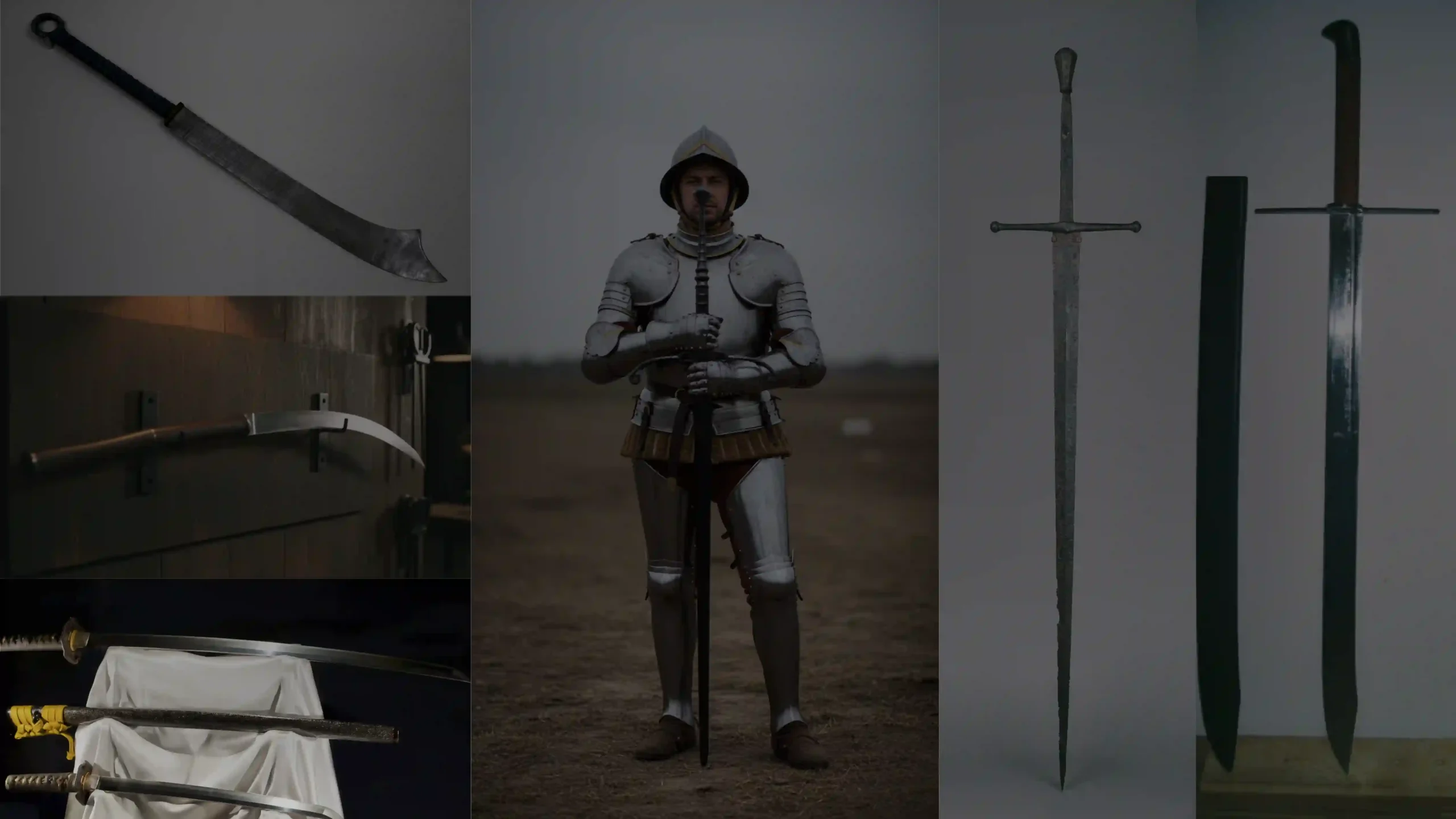
Want to see more comparisons? We’ve got a few others for you.
FAQ
Can a longsword beat a rapier?
Yes, a longsword could potentially beat a rapier in a 1v1, especially if the swordsman is skilled. However, in single combat without armor or extra tools, the rapier has the edge.